The materials guide
Every covering, shown at size.
Roofing materials compared by the people who fit them. Not a manufacturer's brochure.
Slate, clay pantile, concrete tile, EPDM rubber, GRP fibreglass, felt and lead. What each one costs, how long it lasts, and where it belongs on a York roof.
Most people land here with one job in mind. Pick the closest and we will take you to the detail.
Welsh slate
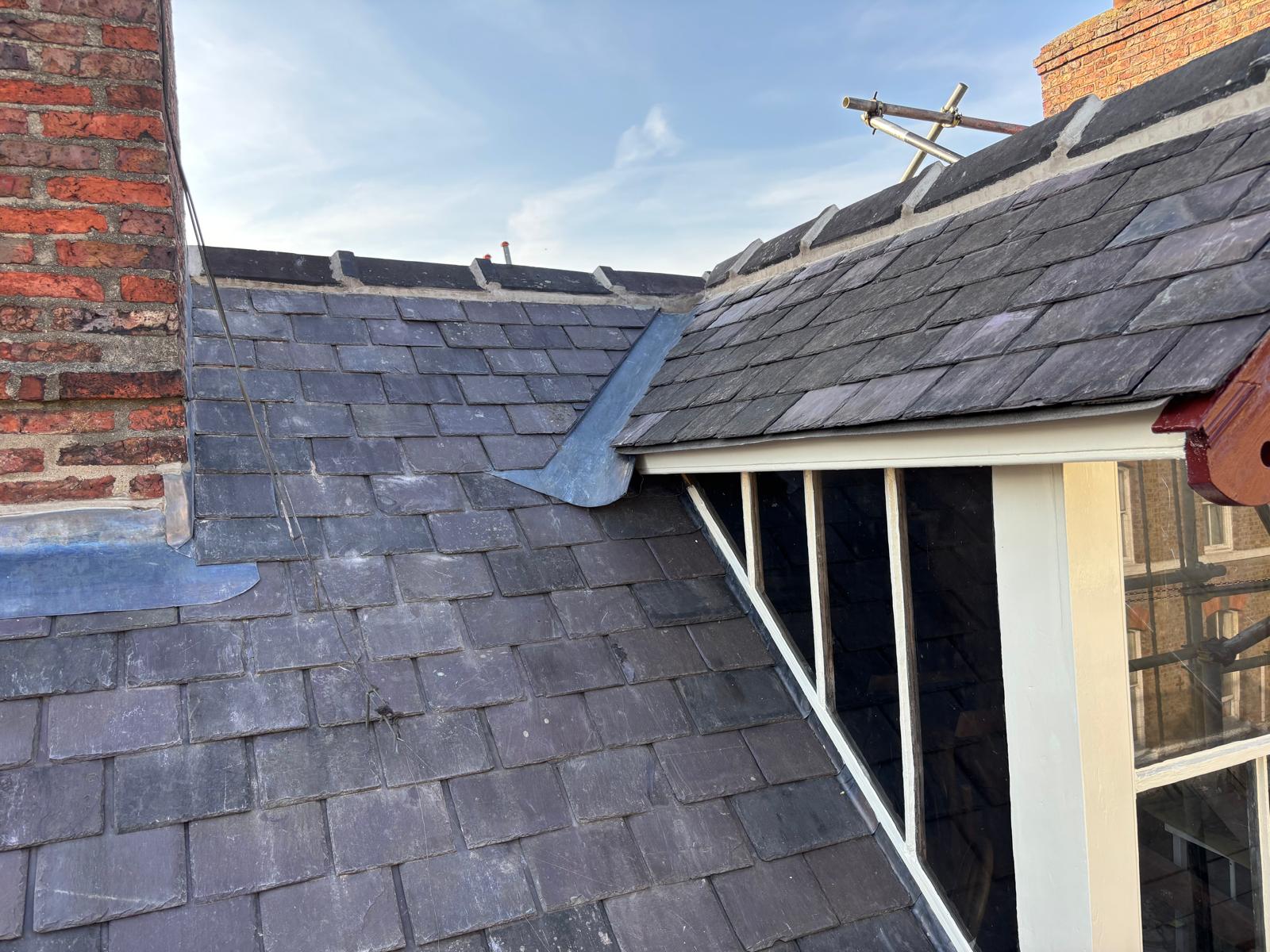
80 to 100+ years. The conservation standard.
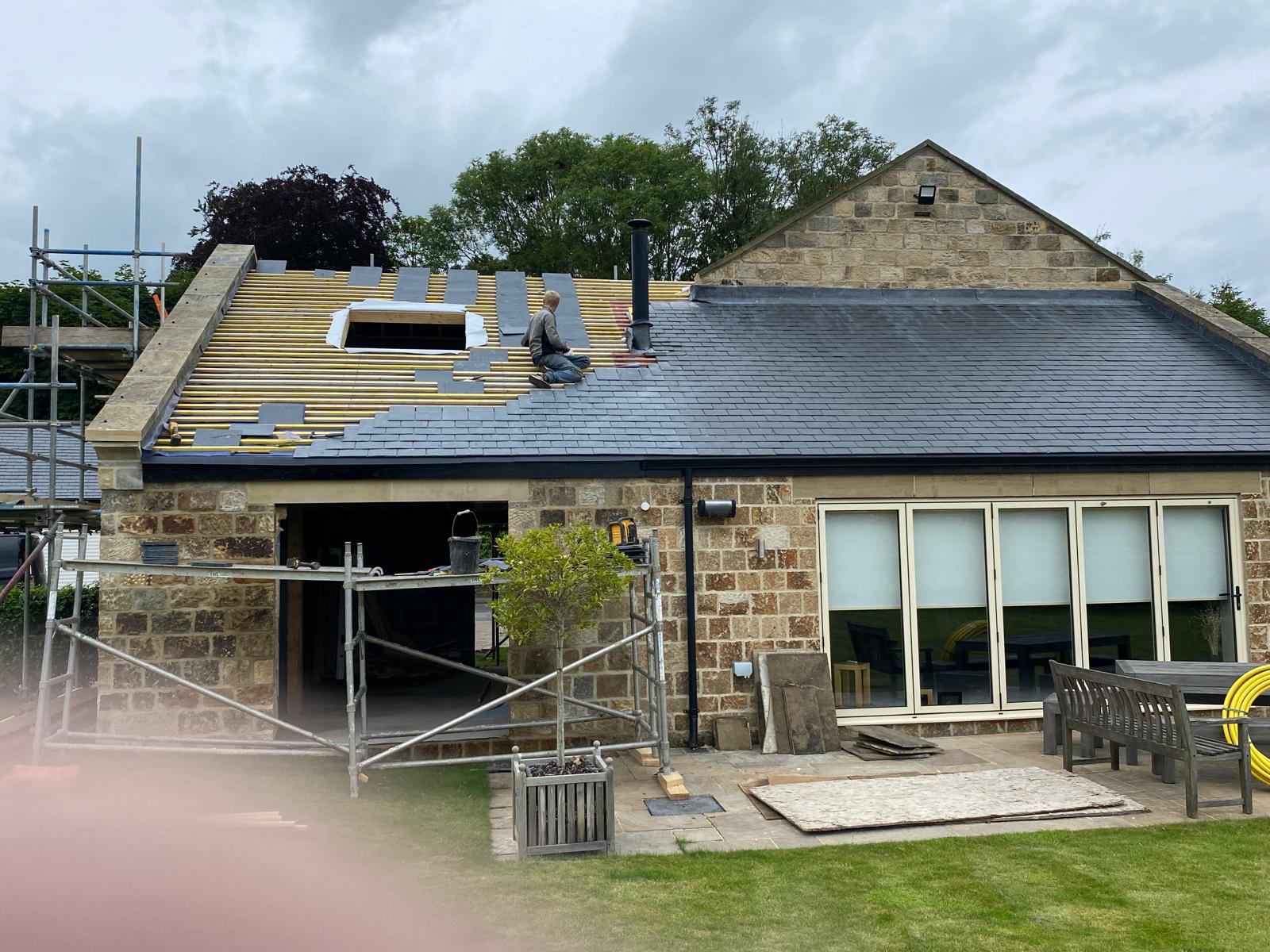
Thin, crisp blue-grey, the covering York's streets were designed around. Lighter than it looks, dearest of the common coverings, and worth it on the right roof.
Read the slate guide →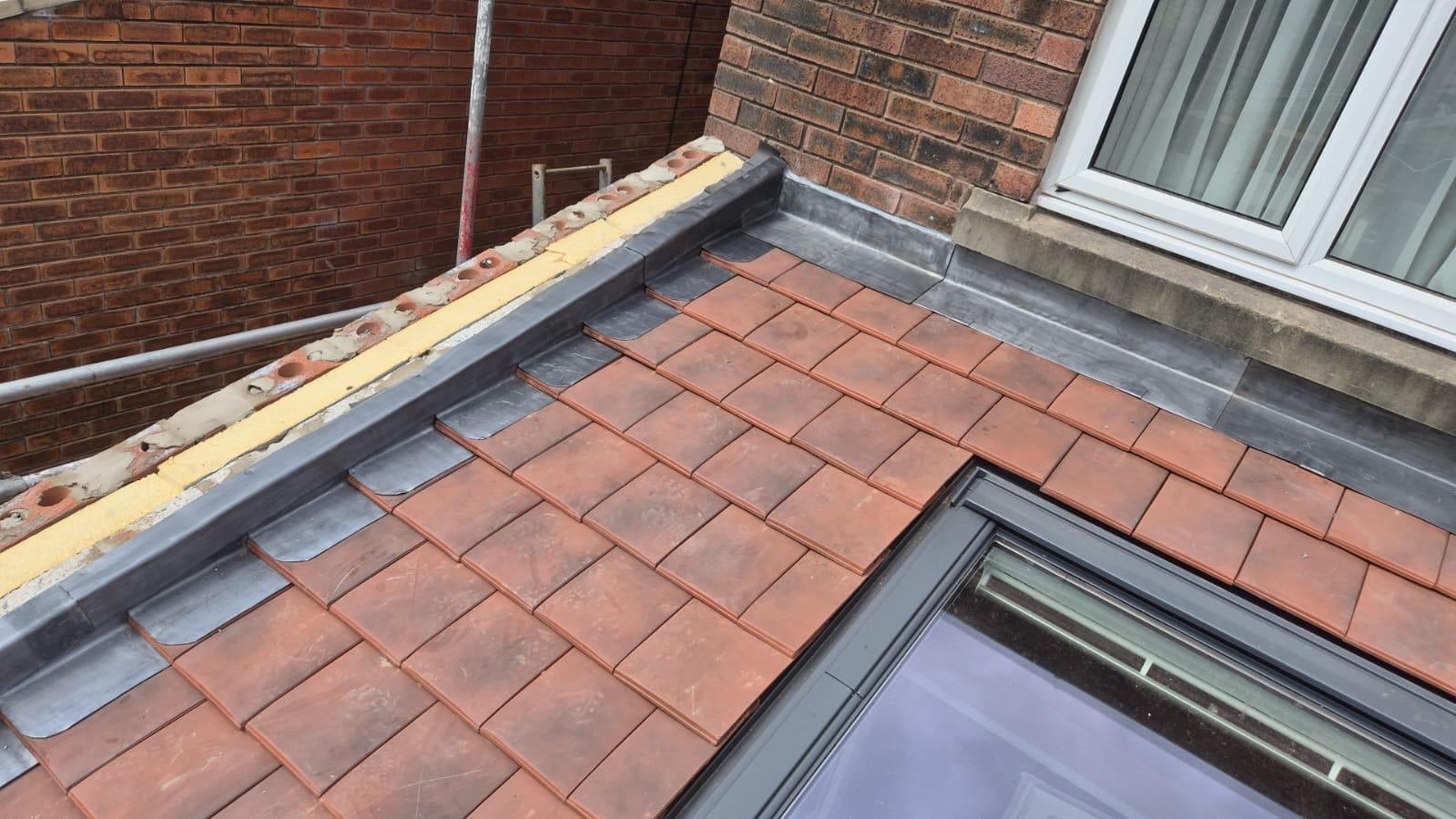
Clay pantile
60+ years. The Yorkshire roofline.
The traditional S-shaped Yorkshire tile, fired clay that holds its colour for life. Required like-for-like in conservation areas.
Read the pantile guide →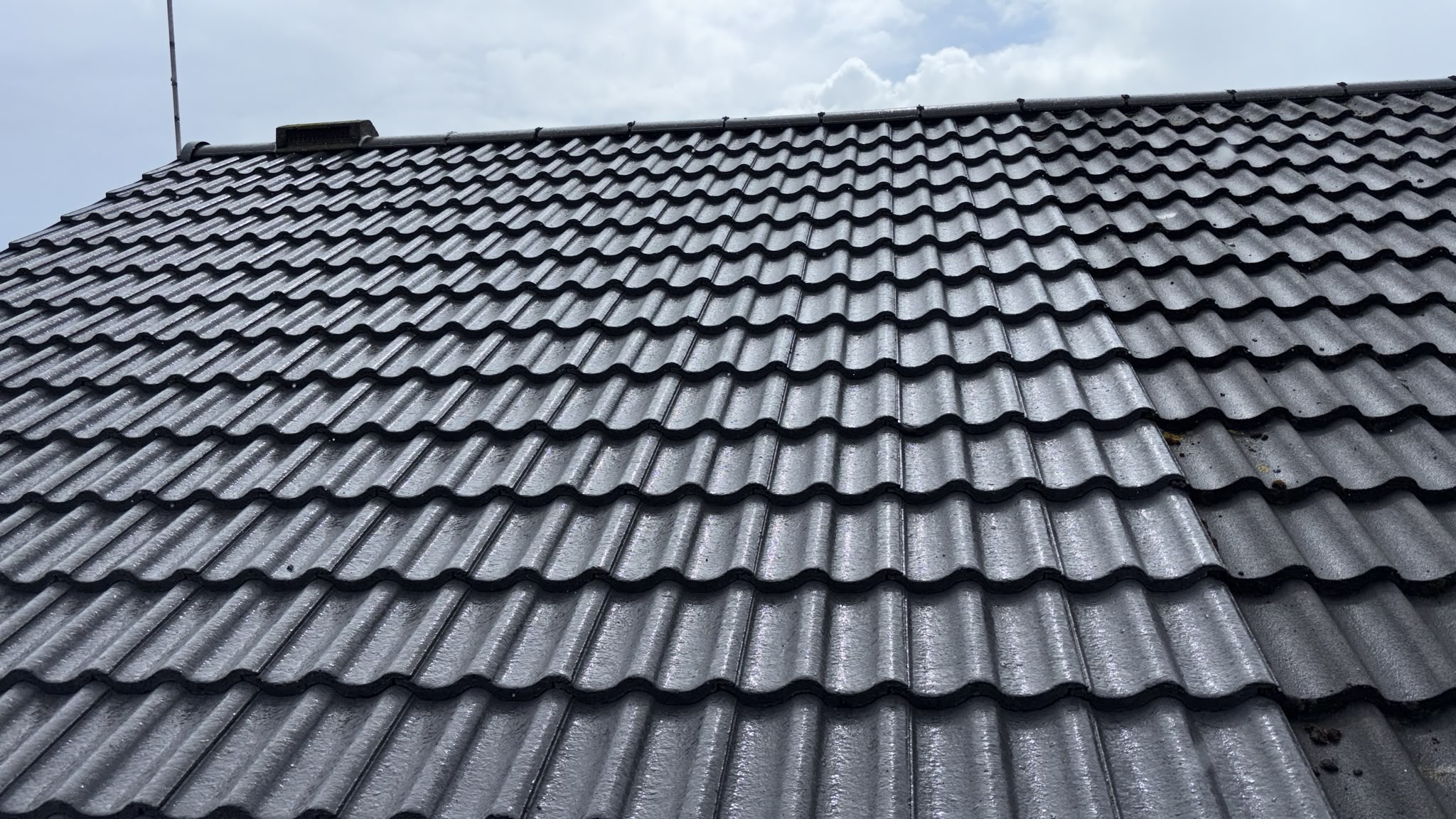
Concrete tile
40 to 60 years. The modern workhorse.
The sensible value on a modern estate, priced honestly by property size. Rarely accepted in conservation areas.
Read the concrete guide →Expected life, weight and cost of each pitched covering
| Covering | Expected life | Weight per m² | Cost against concrete | Conservation |
|---|---|---|---|---|
| Welsh slate | 80 to 100+ years | 25 to 30 kg | About 60% more | Default choice, reclaimed preferred |
| Clay pantile | 60+ years | About 40 kg | About 20% more | Required like-for-like |
| Concrete tile | 40 to 60 years | 40 to 50 kg | Base price | Rarely accepted |
| Synthetic slate | 40 to 60 years | About 20 kg | About 30% more | The officer's call |
Weights are approximate and vary by product. Reroof prices by property size, in all three main coverings, are on the new roof cost page. For conservation-grade reclaimed slate or matched pantile, expect £320 to £450 per square metre installed. More cost guides written from York jobs are in our roofing advice section.
Price your own roof in about two minutes →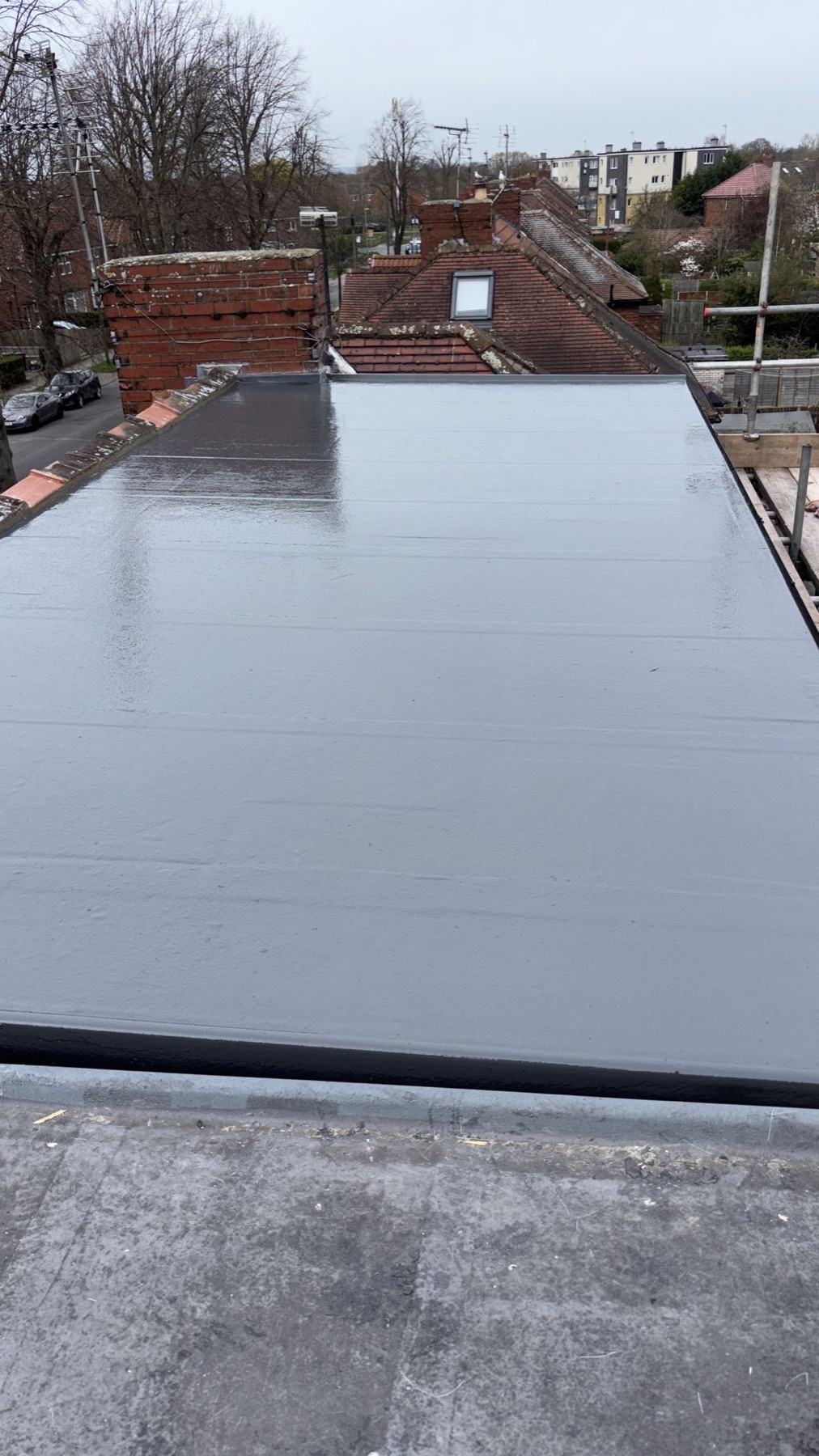
EPDM rubber
25 to 40 years. The flat roof default.
One sheet, no joints, a 20-year manufacturer warranty. The default on extensions and garages for a reason.
Read the EPDM guide →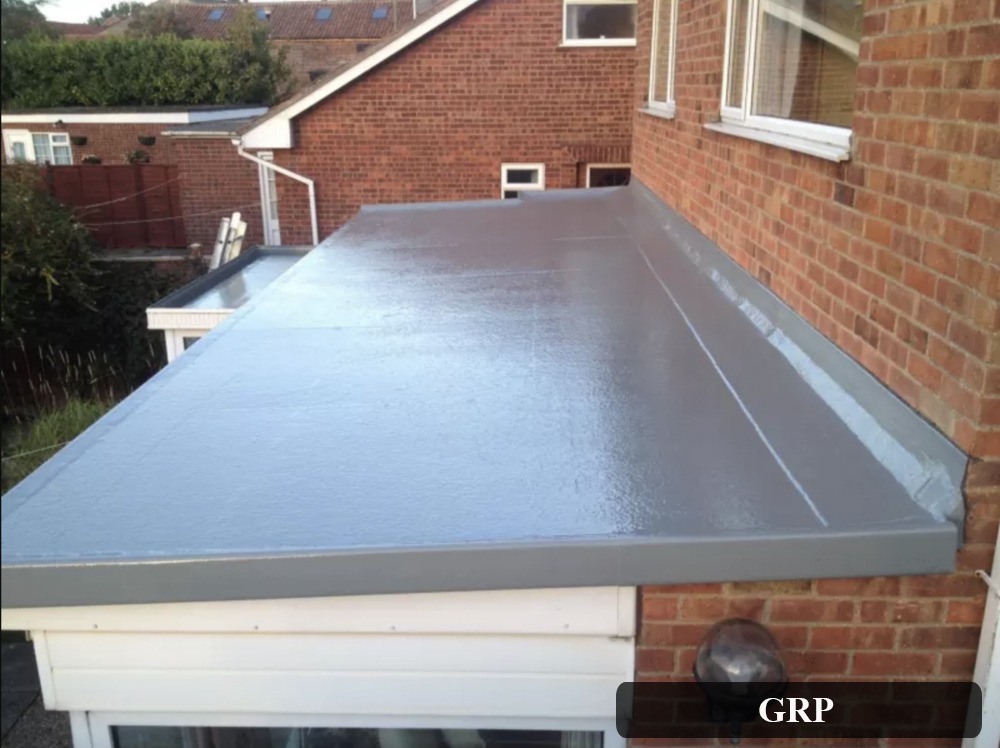
GRP fibreglass
20 to 30 years. Hard and walkable.
A seamless shell you can walk on, at home on trafficked and complex roofs, upstands and awkward shapes.
Read the GRP guide →Expected life and warranty of each flat roof system
| System | Expected life | Manufacturer warranty | Where it earns its place |
|---|---|---|---|
| EPDM rubber | 25 to 40 years | 20 years | Garages and extensions, one sheet, no joints |
| GRP fibreglass | 20 to 30 years | 20 to 25 years | Trafficked and complex roofs, hard and walkable |
| Felt and bitumen | 15 to 25 years | 15 years | Sheds and tight budgets, lowest cost |
| Lead | 60 to 100+ years | 60+ years | Valleys and listed roofs, traditional, hand-dressed |
Flat roof cost bands by size are on the flat roof services page. Lead detailing sits with our leadwork, and the roofline that finishes the job, uPVC fascias, soffits and guttering, with our fascias and soffits and guttering services.
“Elliott and his team are great roofers. Work was done to a very high standard but also done in a very timely manner. We've had many people see his work and ask who the company was.”
Meg L · Roofing work, Acomb · Google, 5.0
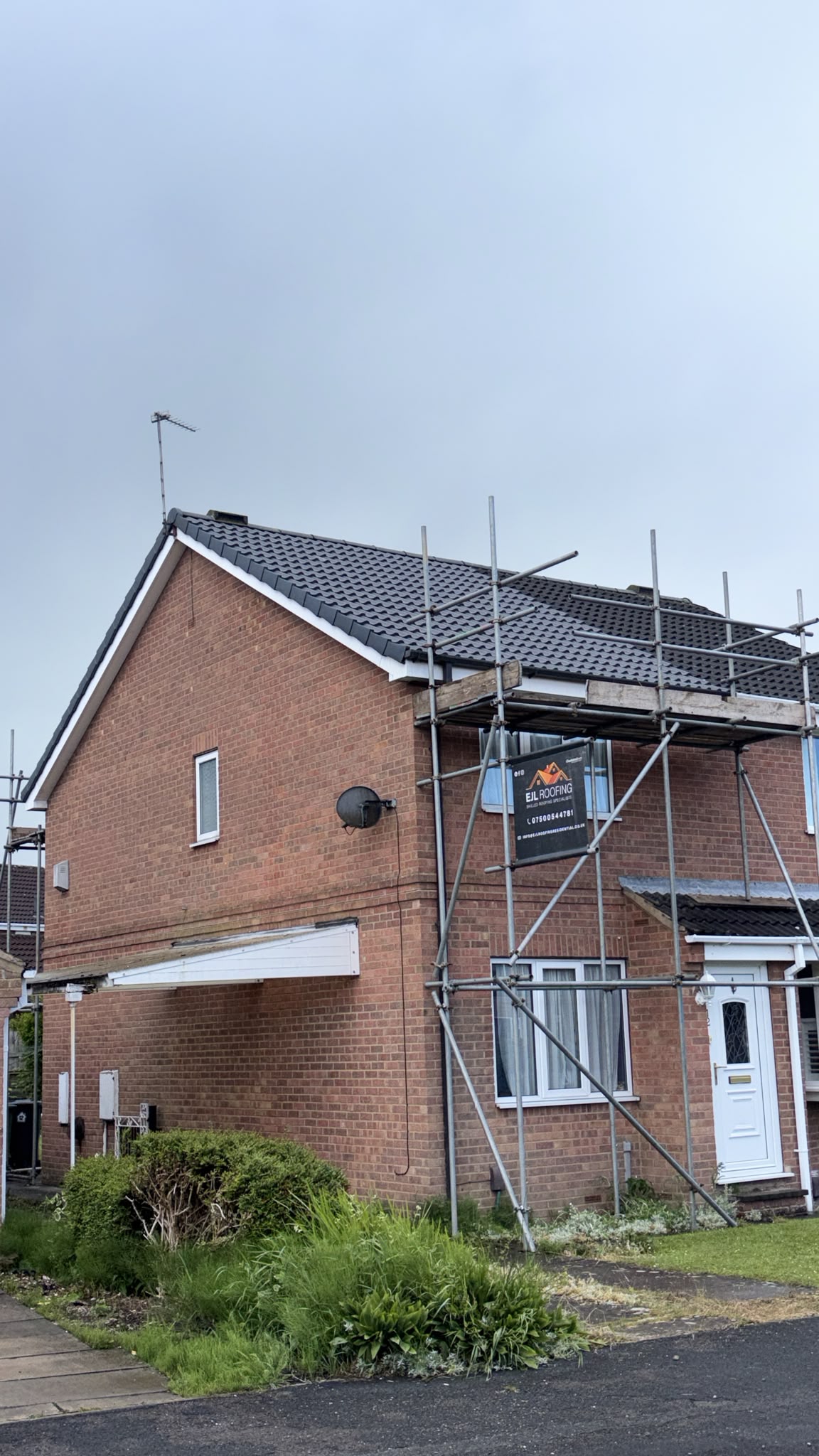
In York's conservation areas, the covering is not a free choice.
We work in York's conservation areas week in, week out. Four rules cover most of it.
- Visible slopes usually need like-for-like. Slate stays slate, clay stays clay on street-facing elevations. Officers can and do ask for concrete to come back off.
- Reclaimed beats new for matching. Weathered reclaimed slate and pantile sit flush with the neighbours. We source and grade reclaimed stock for exactly this.
- Listed buildings need consent first. Listed building consent comes before any material change, and the leadwork specification matters as much as the covering. Our conservation leadwork page covers that half.
- We handle the paperwork. Planning, listed building consent and building control, checked at the survey and lodged before work starts.
Roofing material questions
What is the best roofing material?
What is the best flat roof material?
How much does a new slate roof cost?
What is the difference between clay pantiles and concrete tiles?
Is slate heavier than concrete tile?
How long do roof tiles last?
Do failing tiles always mean a new roof?
Get the right covering, priced properly.
Ring Elliott, message on WhatsApp, or use the form. Fixed quote in 24 hours, no pestering afterwards. Or get an instant estimate in about two minutes.
07500 544781 WhatsApp Us