Free written quotes within 24 hours of survey · Call 07500 544781

Home/Services/Leadwork

★★★★★ 5.0 on Google · 10/10 on Checkatrade

Leadwork in York, milled or sand-cast, done properly

Chimney flashings, lead valleys, bay tops, flat lead roofs and conservation work. Code 4 to code 7 sheet lead as standard, free survey, fixed written quote within 24 hours.

  • The right code in the right place, shown on the day
  • Sand-cast lead for listed buildings and conservation areas
  • Done in-house, never subcontracted, guaranteed in writing
07500 544781 Speak to Elliott directly, weekdays and Saturday mornings

Book a free leadwork survey

Tell us what is failing. A photo of the chimney, valley or bay helps but is not essential.

Callback within 2 hours, Mon to Sat daytime

Google 5.025 verified reviews
Rated 10/1041 vetted reviews
TrustATrader 4.9414 vetted reviews
Fully insuredPublic liability cover
How it works

Surveyed, quoted, dressed, signed off

The same four steps whether it is one flashing or a full valley.

Send a photo or ring

WhatsApp a picture of the chimney, valley or bay. Usually enough for a same-day ballpark, free.

Free survey

We check the lead, the substrate, the mortar joints and the access, and tell you what code belongs up there.

Fixed quote in 24h

A clear written price within 24 hours of survey. If listed building consent is needed, we talk you through it.

Dressed and pointed

Most leadwork jobs take one to three days. Old lead off, new lead dressed, wedged and pointed, offcuts taken away.

Cost, honestly

What leadwork should cost

From £350 indicative, fixed after a free survey

Lead is priced by code, metreage and access, not guesswork. Here are honest guide figures before we even visit.
£
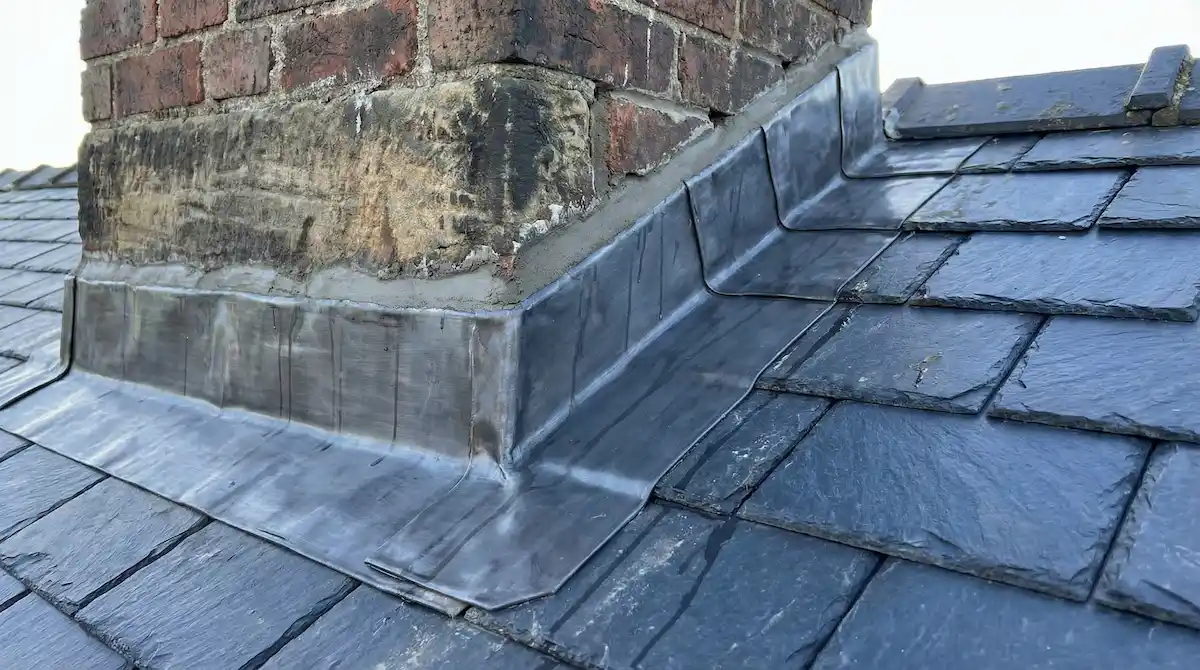
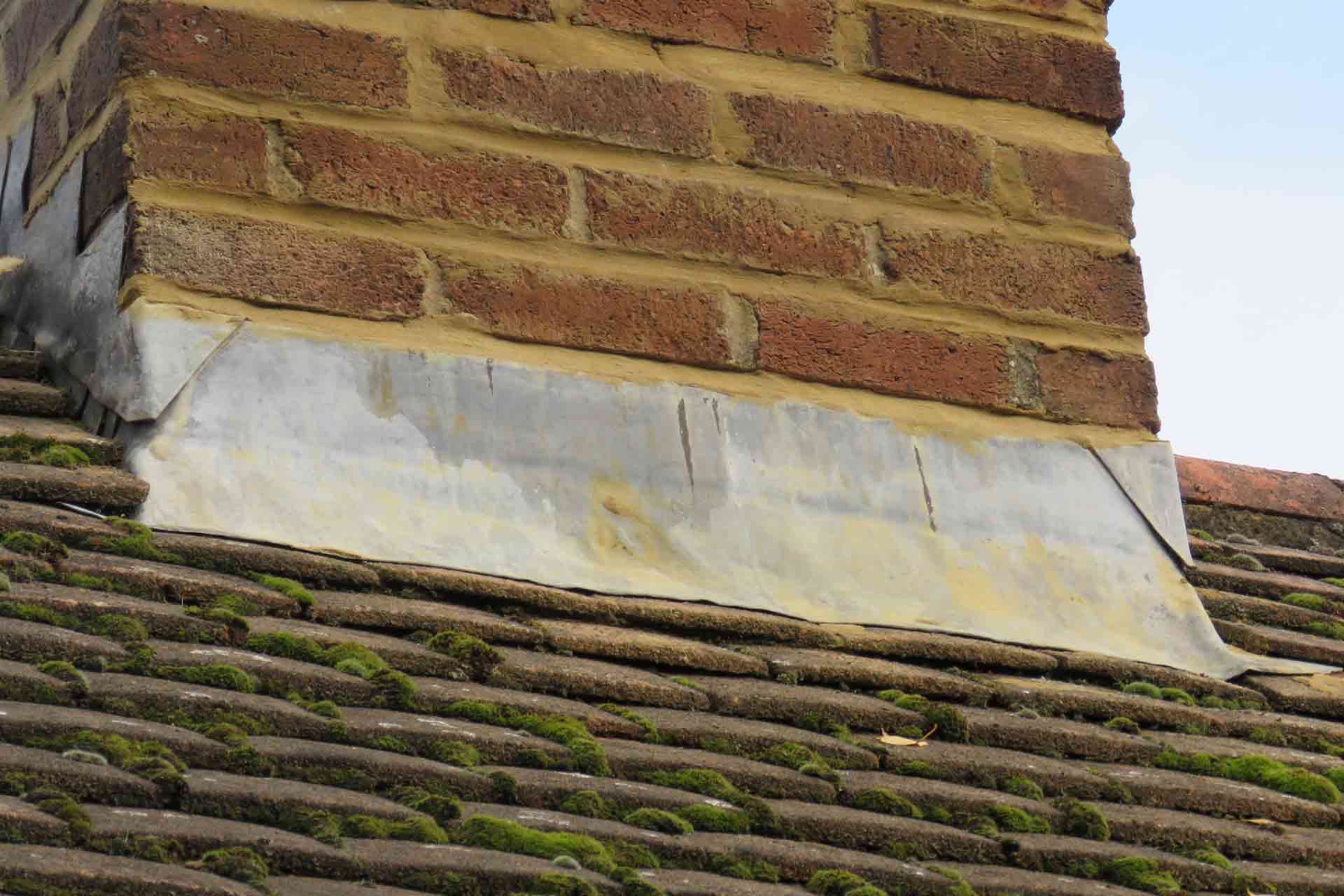
Chimney flashings, £350 to £500A simple straight code 4 flashing on a single stack. Stepped flashings and back-gutters cost more.
p/m
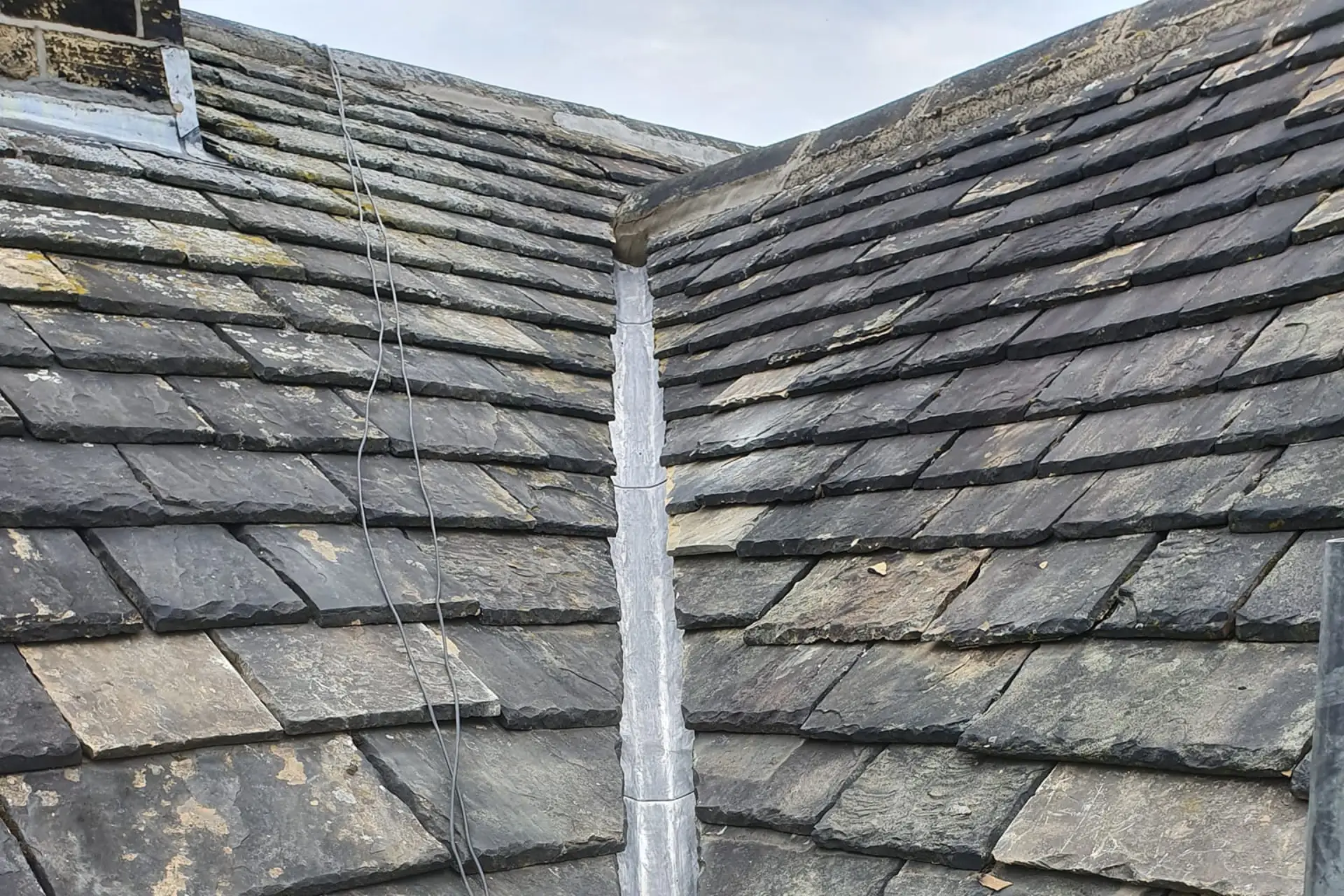
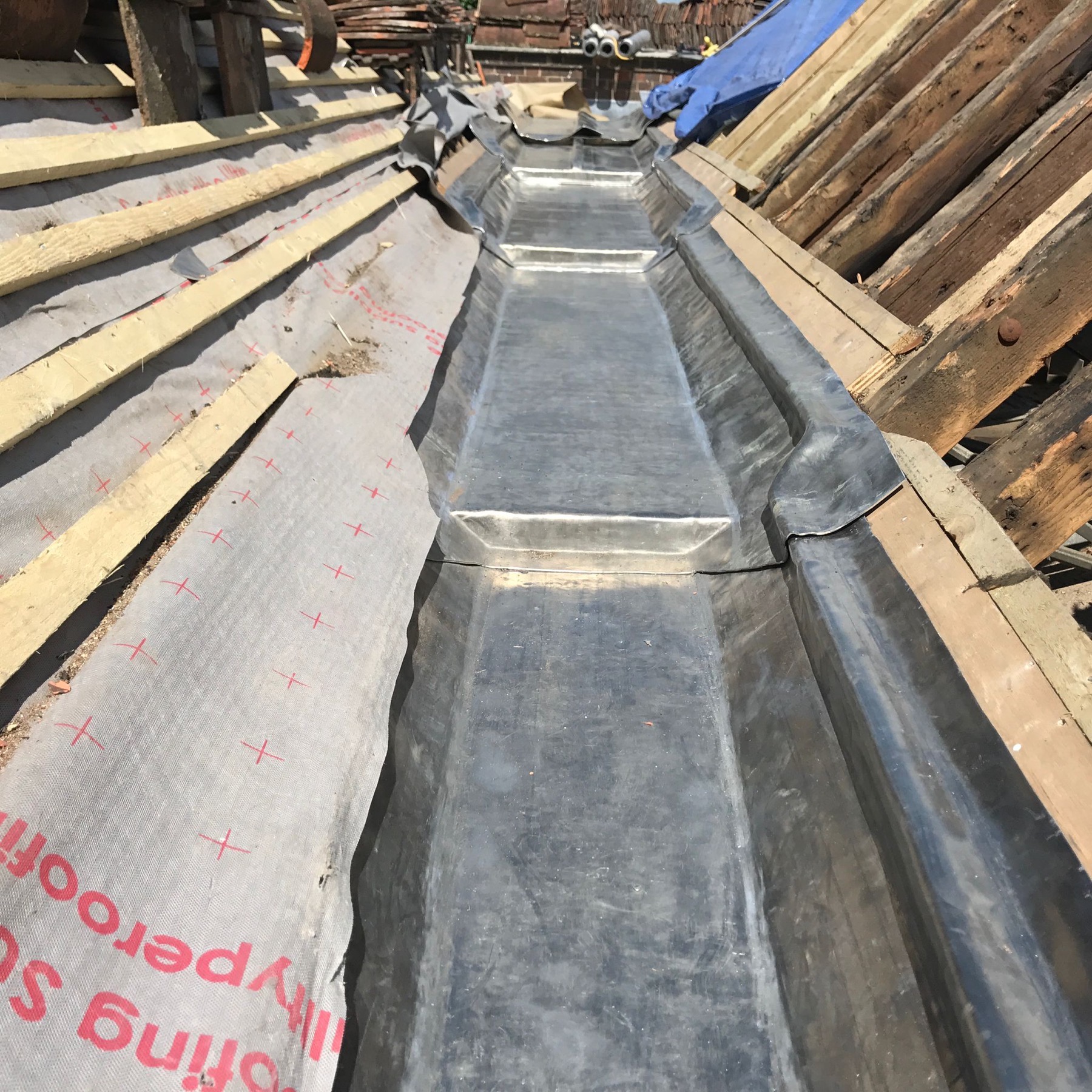
Lead valleys, £85 to £130 per metreDepending on code and access. A complete code 5 bay top is £900 to £1,400.
SC
Sand-cast carries a premiumAround 25 to 35 per cent over milled, where a conservation officer requires it.
24h
The quote is the priceFixed in writing within 24 hours of survey, valid while you decide.
Get an instant estimate
Lead-lined valley gutter being installed over waterproof underlay
Reviews

Detail work rated 5.0 by York homeowners

★★★★★Google

"Elliott and his team are great roofers. Work was done to a very high standard but also done in a very timely manner. We've had many people see his work and ask who the company was."

Meg LRoofing work, Acomb, York
★★★★★TrustATrader

"I would highly recommend EJL. I was given Elliott's name from my neighbour who'd had work done. Rebedded and replaced my ridge tiles. Brilliant communication throughout."

Chloe CRidge tiles rebedded, Copmanthorpe
Before you book

Leadwork questions

Do you do leadwork on listed buildings and in conservation areas?
Yes. Most of the older roofs in central York and the surrounding villages sit in a conservation area or are individually listed. We use code 5 to code 7 BS EN 12588 milled lead as standard and sand-cast lead where a listing officer or conservation officer requires it. Listed building consent applications are something we'll talk through at the survey.
What's the difference between sand-cast and milled lead?
Milled lead is rolled to a uniform thickness in a factory and is what most modern leadwork is dressed in. Sand-cast lead is poured by hand onto a bed of sand, has a slightly irregular surface and a softer matte finish that weathers more like the lead on a Georgian or Victorian building. Listing officers in York's conservation areas often require sand-cast lead on visible elevations of older houses. There's a dedicated page on the difference in our sand-cast vs milled guide.
How long should lead flashing last?
Properly dressed code 4 or code 5 lead flashing should last sixty to a hundred years. If a roofer has used code 3 lead, mortar over the lead instead of a proper chase, or oversized sheets that haven't been welted, the life drops to under fifteen years. Most of the leaks we see in York are these shortcuts catching up with people.
Can you patch existing lead, or does it always need replacing?
Patching with a lead burn or a code-matched lead patch is fine on small splits in otherwise sound sheet lead. If the lead has fatigue cracks across more than a third of the surface, or the wedges have come out of a chimney stack on more than one side, replacement is the honest answer. We tell you which on the day.
What does leadwork cost in York?
A simple straight code 4 chimney flashing is typically £350 to £500. A valley is £85 to £130 per linear metre depending on code and access. A complete code 5 bay top is £900 to £1,400. Conservation area work in sand-cast lead carries a premium of around 25 to 35 per cent over milled. Exact prices are fixed in writing within 24 hours of the free survey.
Do you do leadwork only, or as part of a bigger job?
Both. About a third of our leadwork is standalone, where a homeowner has a chimney leak or a failing valley. The rest is built into a wider re-roof or chimney repair. The team does its own leadwork in-house. We don't subcontract it.
Is the lead I see flashing on my chimney always the right code?
Not always. The most common mistake on York chimneys is code 3 lead being used where code 4 or code 5 is specified. Code 3 is too thin for vertical and stepped flashings on stone and brick chimneys and will fatigue inside a decade. We'll tell you what code is on yours when we survey it, with a thickness gauge.

Stop the leak at the lead, not at the stain

Ring Elliott, message on WhatsApp, or book a free survey with the form above. Fixed quote in 24 hours, no pestering afterwards.

Call now WhatsApp Us