Free written quotes within 24 hours of survey · Call 07500 544781

Home/Services/Leadwork/Sand-cast vs milled

★★★★★ 5.0 on Google · 10/10 on Checkatrade

Sand-cast vs milled lead, a plain-English guide for York homeowners

If a roofer has just quoted you for sand-cast and you've never heard of it, or a conservation officer has insisted on it and you're not sure what they're talking about, this is the explainer. No jargon, no upsell. We sell milled lead more often than sand-cast and both have their place.

  • Both materials explained straight, and which yours actually needs
  • Sand-cast carried as a standard option, not a special order
  • Free survey, fixed quote in 24 hours, 20-year written guarantee
07500 544781 Speak to Elliott directly, weekdays and Saturday mornings

Ask us which lead you need

Tell us about the building. A photo of the lead detail and the street name helps but is not essential.

Callback within 2 hours, Mon to Sat daytime

Google 5.025 verified reviews
Rated 10/1041 vetted reviews
TrustATrader 4.9414 vetted reviews
Fully insuredPublic liability cover
The two materials, side by side

One was poured, the other was rolled

Both are pure sheet lead and both will see out the roof around them. The manufacturing method, the surface texture and the building context are what set them apart, and in York the choice is almost always made by listing status and the conservation officer, not by lifespan or quality.

The traditional material

Sand-cast lead

Poured by hand onto a flat bed of damp sand, where it cools, sets and is lifted as a single sheet. In use in Britain for over a thousand years, now produced by a handful of specialist foundries in the UK.

SC
Poured by hand at a foundryMolten lead at around 400°C is ladled onto damp moulding sand and pulled level with a wooden strike. A foundry pours about 50 to 80 square metres a day, and that labour is most of the premium.
MAT
Irregular, matte surfaceThe sheet carries the texture of the sand bed it was poured on. It weathers the way the original lead on a Georgian or Victorian elevation did.
LBC
When it is specifiedGrade I and Grade II* listed buildings, planning conditions that name sand-cast, character-defining elevations in conservation areas, and like-for-like repairs of original sand-cast lead.
60+
60 to 100 years, the same as milledBoth develop the same protective carbonate patina. The code, the substrate and the joints decide lifespan, not the casting method.
+30
25 to 35 per cent premium over milledThe cost of the slow, hand-poured manufacture, not the material. Where conservation requires it, that is consent compliance, not an upsell.
The modern standard

Milled lead

Rolled to a precise uniform thickness in a factory mill and supplied in coded thicknesses to BS EN 12588. The standard since the late 19th century, and what almost every contemporary roofer is dressing as a default.

BS
Rolled to a coded thicknessCast into slabs and rolled through a mill, from code 3 (1.32mm) to code 8 (3.55mm). A milling line produces several thousand square metres in a shift.
UNI
Uniform, faintly shiny surfaceUp close it shows the faint linear marks of the rolling mill. From ground level the difference is almost imperceptible, and it fades under the patina within ten years.
OK
When it is the right callUnlisted buildings, almost everything built after 1900, hidden details like back-gutters and lead trays, and wherever the conservation officer has confirmed milled is acceptable.
60+
60 to 100 years, the same as sand-castEasier to dress without splits because the thickness is known. A code 5 milled valley will outlast a code 3 sand-cast one every time.
STD
Standard pricing, no premiumWhat almost every roofer carries on the van, and our default wherever heritage rules do not apply. We sell more milled than sand-cast.
Where this shows up

The details the decision gets made on

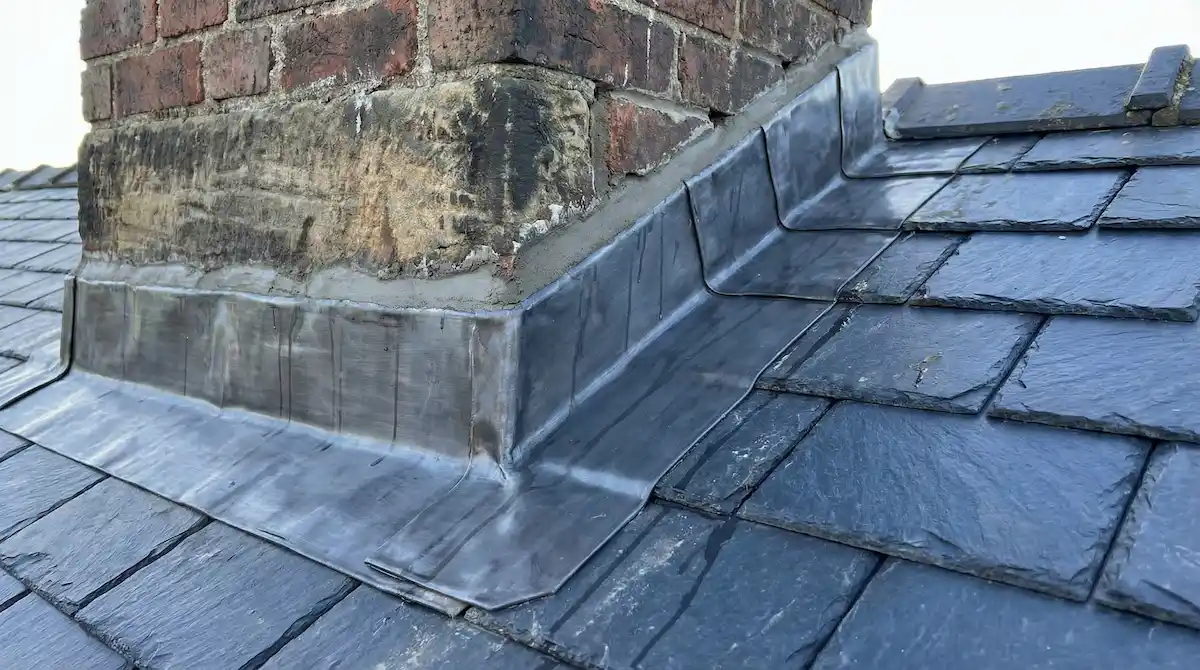
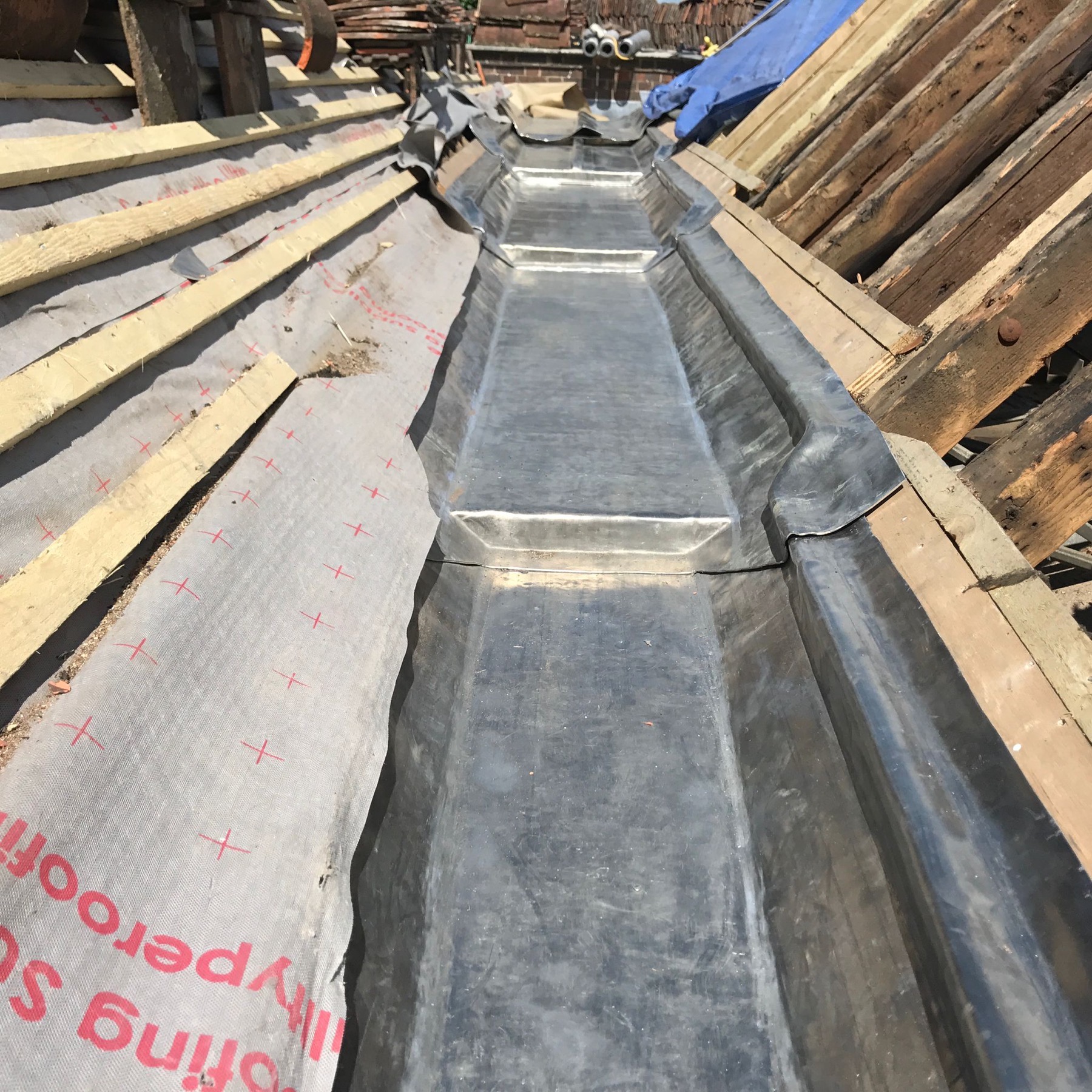
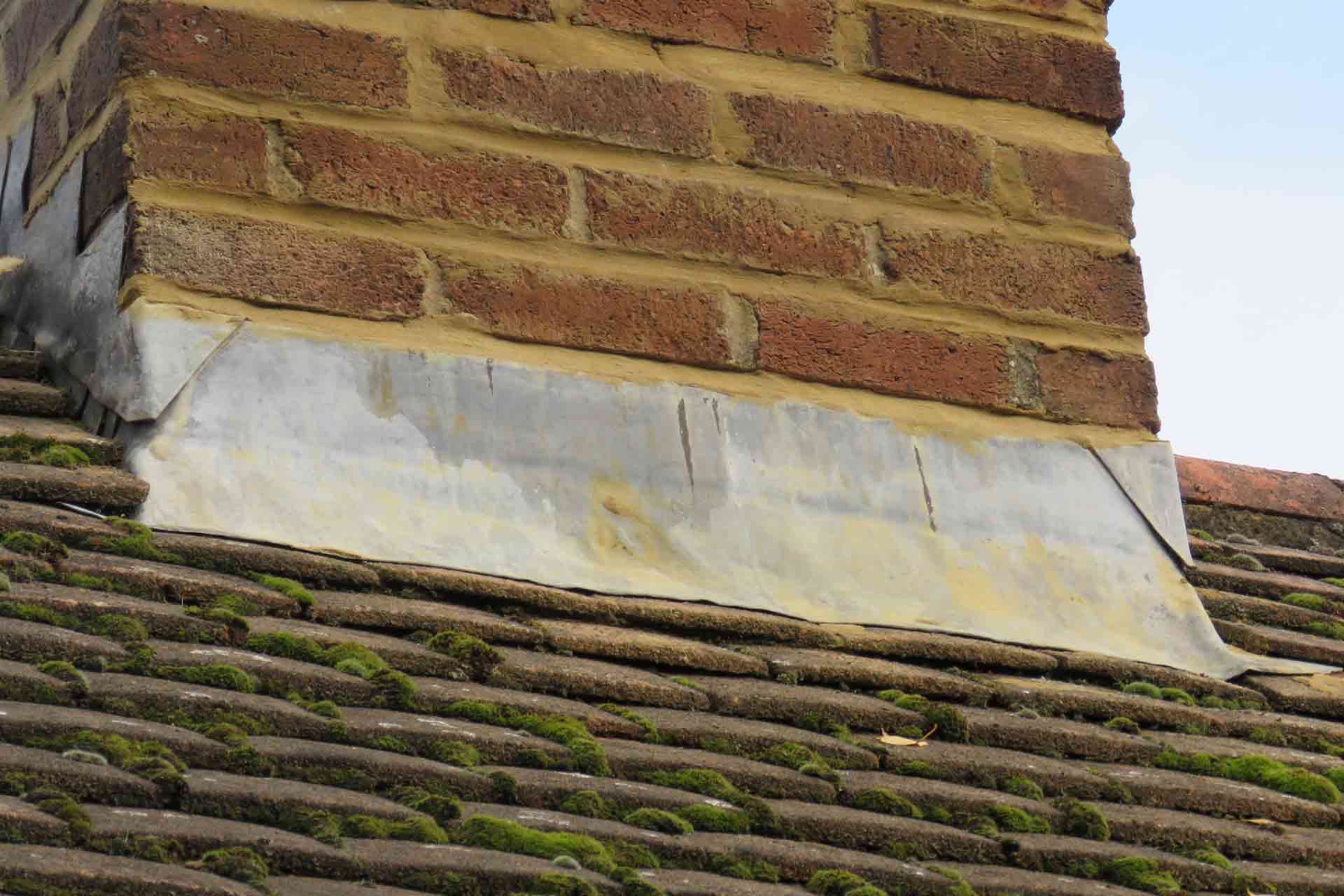
The sand-cast question lands on real details: a flashing on a listed stack, a valley on a stone-slate roof, a whole elevation in a conservation area. Each has its own page.

How it works

Checked, advised, quoted, supplied

The same four steps whether the answer turns out to be sand-cast or milled.

Send a photo or ring

WhatsApp a picture of the lead detail and the street name. We can often tell the conservation context before we visit, free.

Free survey and listing check

We look at the existing lead and check the listing on the Historic England National Heritage List, then tell you which material the building calls for.

Fixed quote in 24h

A clear written price within 24 hours of survey. Where both materials are options, we price milled and sand-cast separately so you can see the difference.

Supplied and dressed

Sand-cast is a standard option for us, not a special order. Either material is dressed, wedged and pointed by our own team, never subcontracted.

Cost, honestly

What the sand-cast premium actually costs

The premium is 25 to 35 per cent over milled at the same code thickness. Here is what that means in pounds on real jobs, before we even visit.
%
The premium, 25 to 35 per centPurely the cost of the slower, hand-poured manufacture at the same code thickness.
£
Chimney flashing at £500Sand-cast adds £125 to £175 to a single flashing replacement.
£+
Bay top at £1,200Sand-cast adds £300 to £420. A small lead flat roof at £1,800 adds £450 to £630.
24h
The quote is the priceNo mark-up on sand-cast from us, we pass the foundry rate through. Fixed in writing within 24 hours of the free survey.
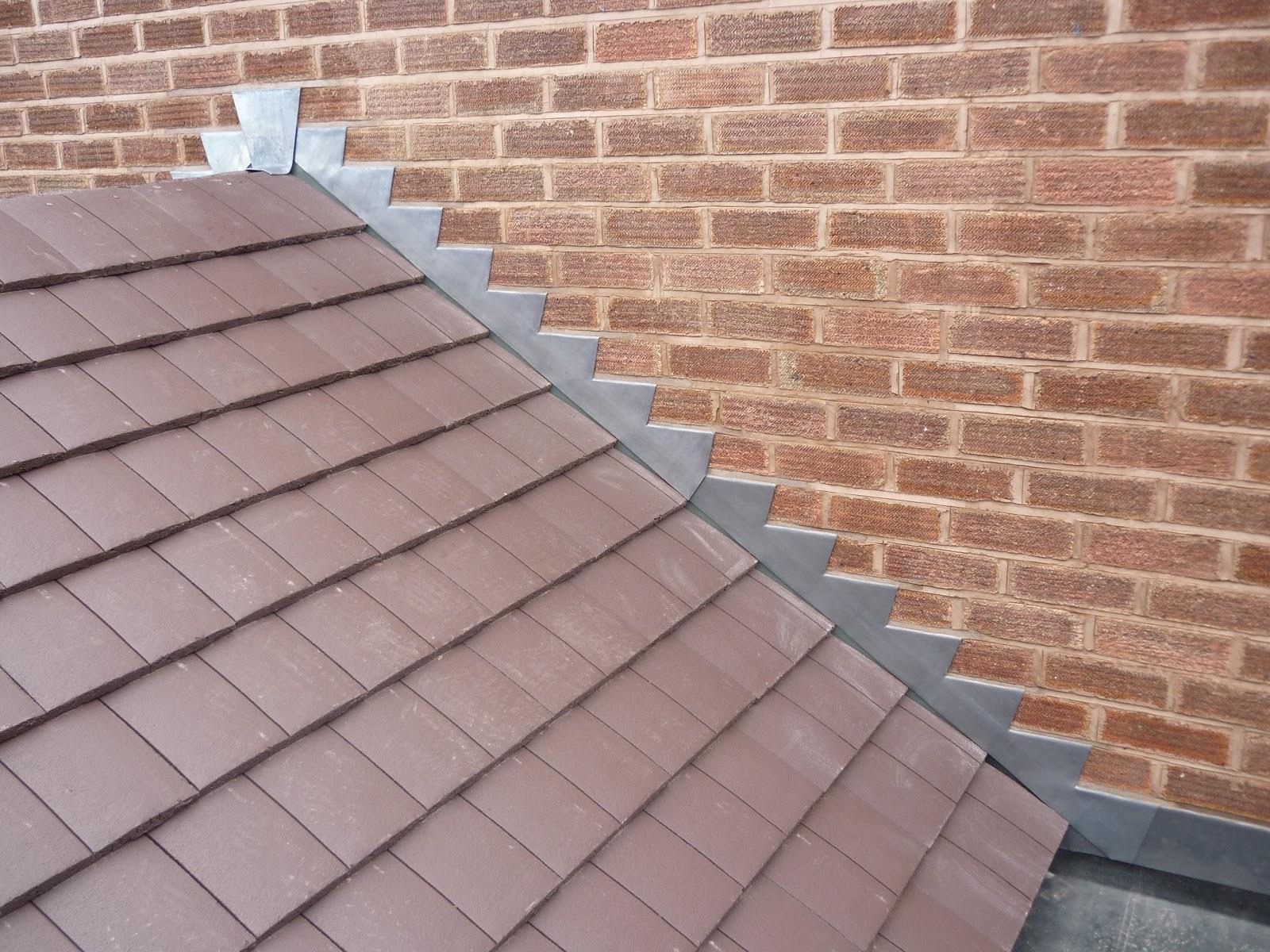
Stepped lead flashing dressed between a brown tiled roof and a red-brick wall
Reviews

Straight answers rated 5.0 by York homeowners

★★★★★Google

"Elliott and his team are great roofers. Work was done to a very high standard but also done in a very timely manner. We've had many people see his work and ask who the company was."

Meg LRoofing work, Acomb, York
★★★★★Checkatrade

"Got 3 quotes in total — EJL were by far the most competitive and had been recommended by someone I trusted. Communication was excellent throughout and the finish on the roof is faultless."

Rachel KFull re-roof, York
Before you decide

Sand-cast vs milled questions

Is sand-cast lead better than milled lead?
Neither is straightforwardly better. Sand-cast lead is the historically authentic finish for buildings from before about 1880 and is required by listing officers on many listed properties in York. Milled lead is the modern BS EN 12588 standard, uniform in thickness and easier to dress, and is the right choice on almost every modern and post-war building. The question isn't quality, it's appropriateness.
Does sand-cast lead last longer than milled?
In practice their lifespans are similar, 60 to 100+ years when properly laid. Sand-cast has a slightly irregular surface that some traditionalists argue weathers more gracefully on a Georgian or Victorian elevation. Milled lead is more uniform and easier to dress without splits. The code (thickness) matters more than the casting method to longevity.
Is sand-cast lead more expensive?
Yes, typically 25 to 35 per cent more per kilogram than milled. The premium reflects the hand-poured manufacture, which is now done by a small number of specialist foundries in the UK. Where conservation requires it, the additional cost is part of the listed building consent compliance, not an upsell.
When does the York conservation officer require sand-cast lead?
Typically on visible elevations of Grade I and Grade II listed buildings where the original lead is sand-cast, and on contributing buildings within a conservation area where the conservation officer has assessed the elevation as character-defining. Bootham, the Mount, Bishophill, Tadcaster High Street and Easingwold Market Place are York-area locations where we've seen this required. We check at the survey and talk through the application with you.
Can I tell the difference between sand-cast and milled lead from the street?
After ten years of weathering, mostly no. Fresh from installation, sand-cast has a slightly matte and irregular surface where milled lead has a faintly shinier and more uniform appearance. The difference fades as both develop their natural carbonate patina. Conservation officers and lead specialists can spot the difference up close; almost no one else can.

Listed property? Conservation area?

We carry sand-cast lead as a standard option, not a special order. Message Elliott on WhatsApp with a photo of the lead detail and the street name, or book a free survey with the form above. Fixed quote in 24 hours, no pestering afterwards.

Call now WhatsApp Us