
Slate vs tile roof: which is right for your house
Natural slate lasts 80 to 100 years and looks the part on a period house, but it is the priciest option. Concrete tile is the value choice, clay pantile the York classic. Here is how the three compare on look, weight, upkeep and cost, and which to pick.
01Slate, tile and pantile at a glance
Choosing a covering for a new roof comes down to three real options in and around York: natural slate, concrete tile and clay pantile. They are not simply cheaper and dearer versions of the same thing. Each looks different, weighs a different amount, lasts a different length of time, and suits a different kind of house. Before the money conversation, it helps to see them side by side on the things that actually change how the roof performs and how long it lasts.
| Covering | Look and heritage fit | Lifespan | Weight |
|---|---|---|---|
| Concrete tile | Clean, modern, plain | 40 to 60 yrs | Heaviest, 40 to 50 kg/m² |
| Clay pantile | The York classic, warm S-curve | 60+ yrs | Mid, about 40 kg/m² |
| Natural slate | Period, sharp, premium | 80 to 100 yrs | Lightest, 25 to 30 kg/m² |
Lifespans are manufacturer service lives and general guidance, not a promise on any one roof. What suits your house depends on its age, its structure and its street, which is what the free survey is for.
02The look, and what fits York
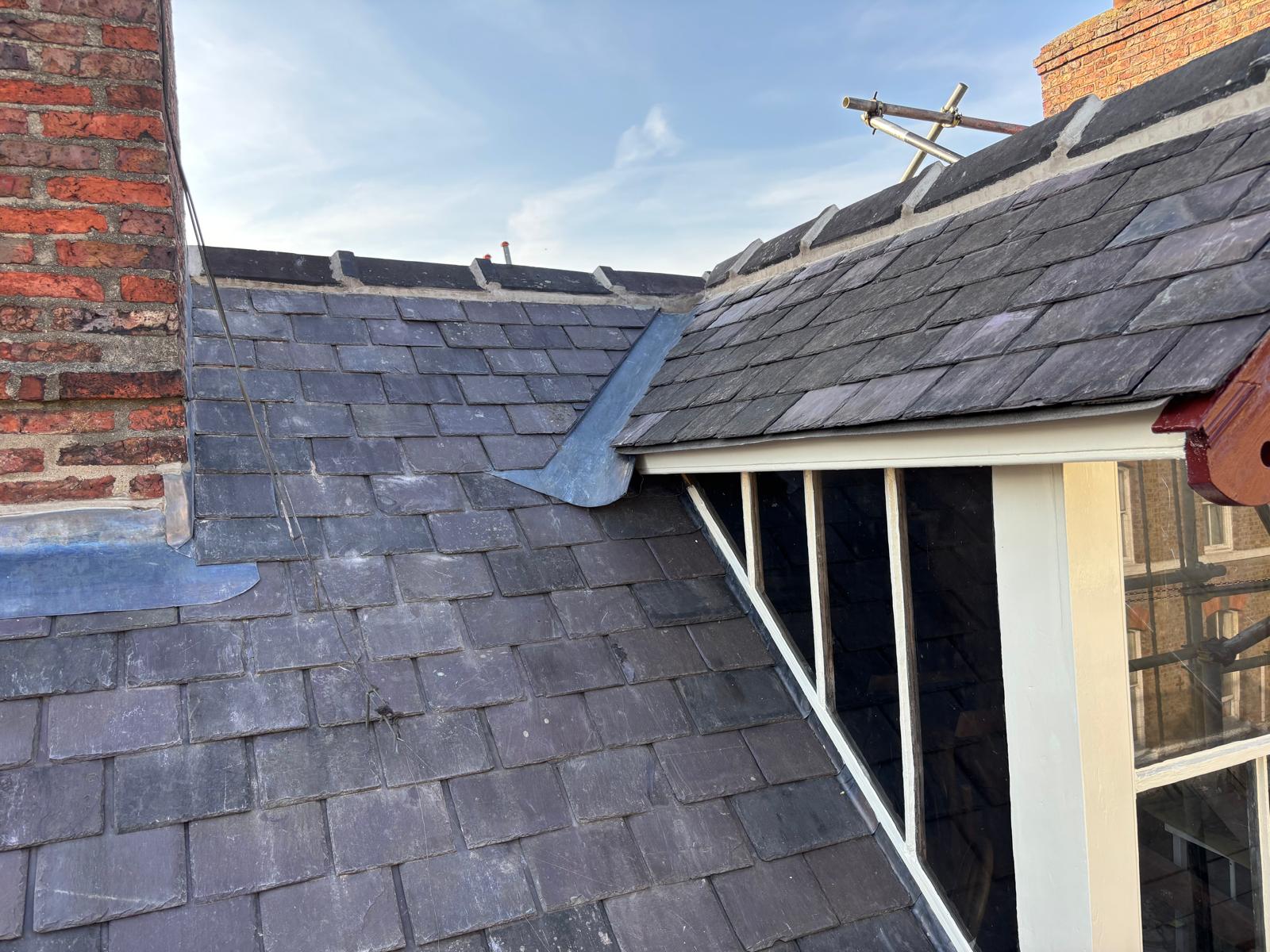
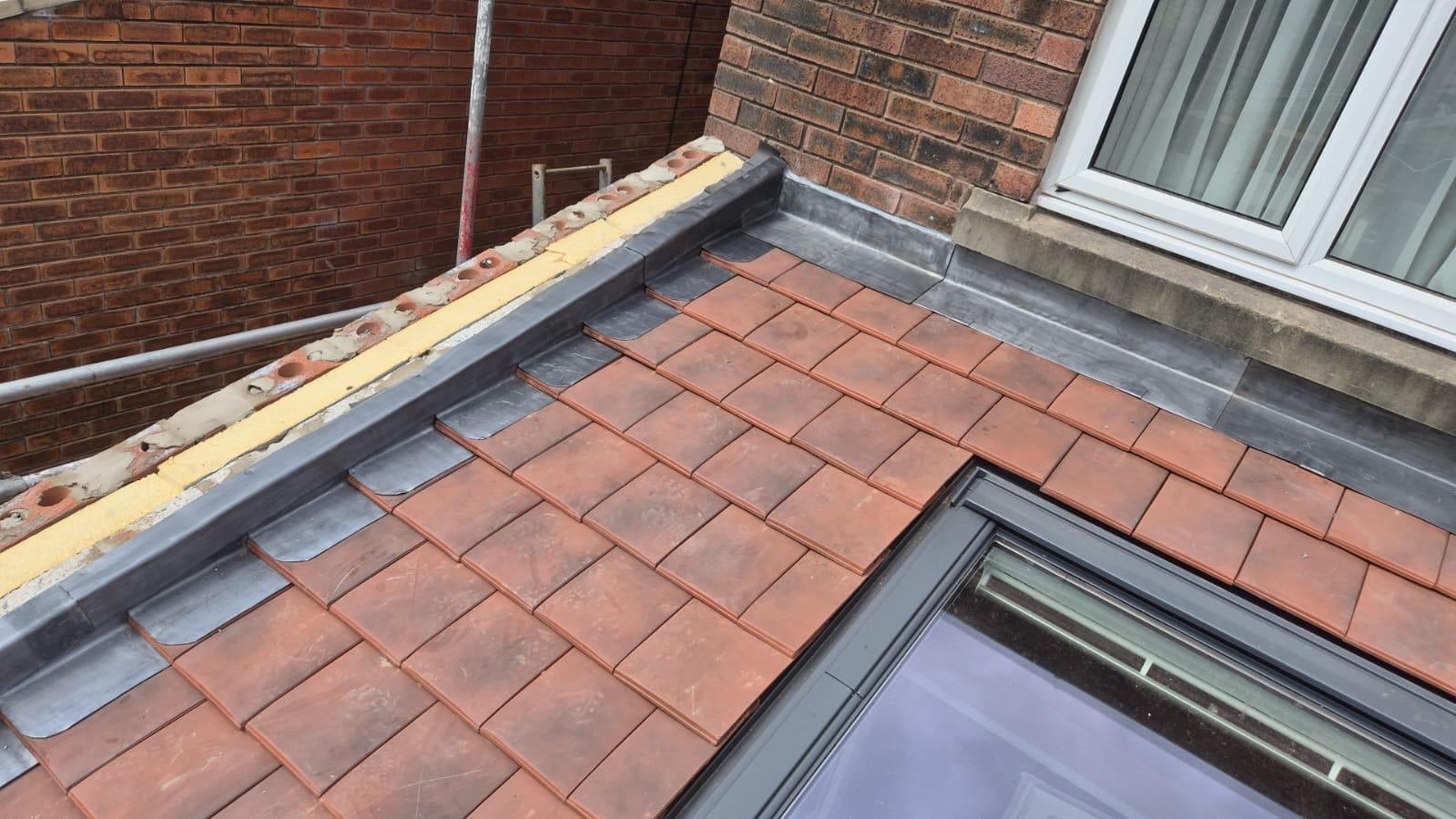
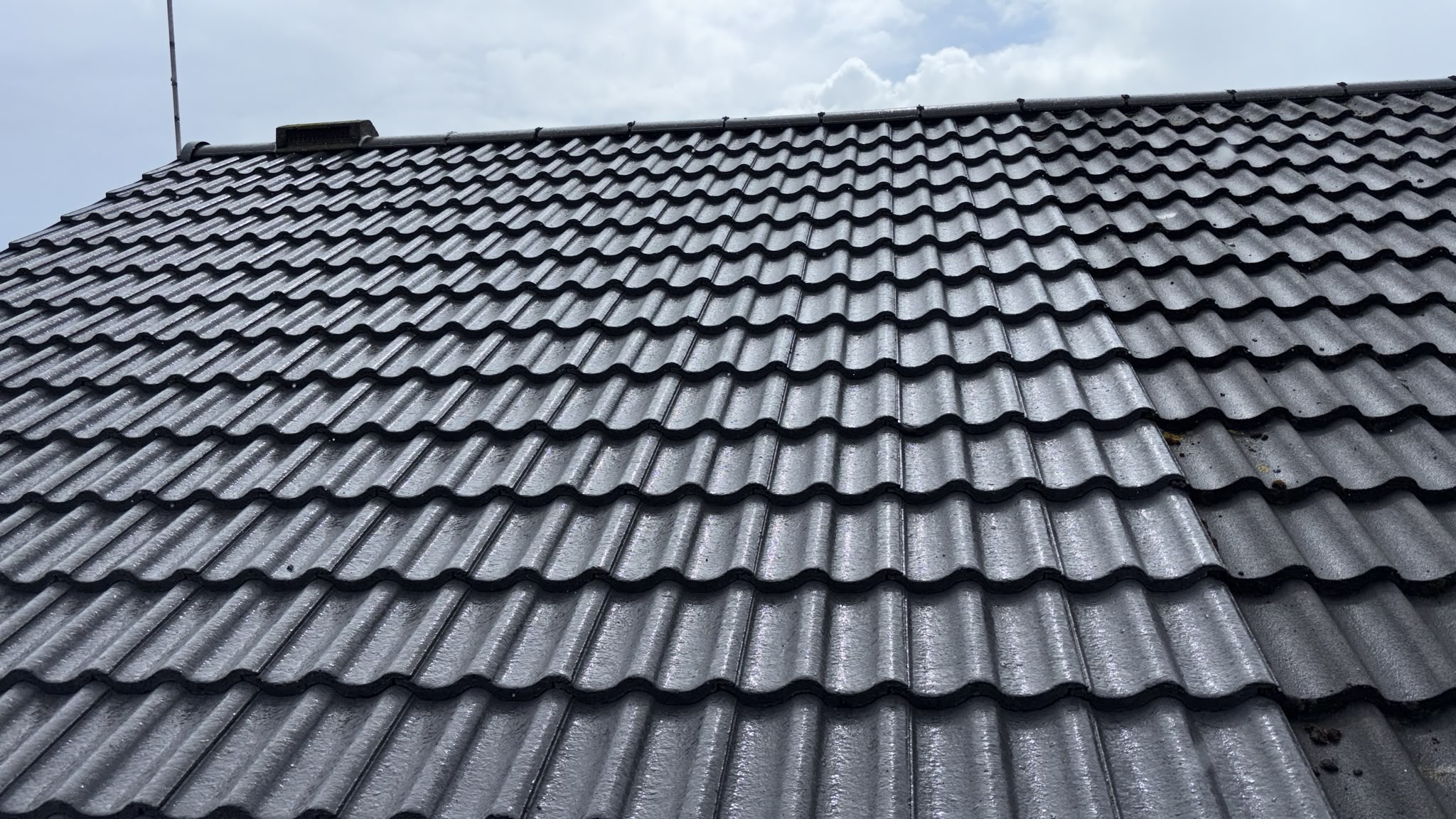
Looks are the first thing most people decide on, and in York they are rarely a free choice. Much of the older housing stock is roofed in clay pantile, the warm orange S-curved tile that gives streets in the centre and the villages their character. On a period terrace or a house inside one of the city's conservation areas, a matched clay pantile or natural slate keeps the roof looking like it belongs. Concrete tile has come a long way and does a clean, tidy job on a modern estate, but its flat, uniform face rarely sits right on an older property, and planners often will not allow it on a heritage roof. Natural slate carries a sharp, understated look that suits Victorian and Edwardian houses and lifts the whole elevation.
03Weight and what your roof can carry
Weight is the part homeowners forget, and it can decide the whole choice. Concrete tile is the heaviest of the three at 40 to 50 kg per square metre, clay pantile sits around 40, and natural slate is the lightest at 25 to 30. That matters because the roof structure below has to carry whatever you put on it. If your house was built for slate, it will take slate again without a second thought. If you want to swap slate for a heavier concrete or clay tile, the rafters and wall plates may need checking first, and occasionally strengthening. This is why we never quote a covering off a photo alone: the structural check is part of the free survey, and it happens before anything is ordered.
04Lifespan and upkeep
This is where slate earns its price. A concrete tile roof gives you roughly 40 to 60 years, a clay pantile roof 60 and beyond, and a natural slate roof 80 to 100. Put plainly, slate can outlast concrete tile by a factor of two, so a slate roof laid today may never need doing again in your ownership. Upkeep is light across all three: a covering that is fitted properly wants little more than the gutters kept clear and an occasional look after a storm. Concrete tile is the one most prone to holding moss on a shaded, north-facing pitch, which is worth a periodic clean rather than a real weakness. Whichever you pick, it is the membrane and battens underneath that tend to fail first, which is why a proper reroof renews those as standard.
Years a natural slate roof should last, against 40 to 60 for concrete tile. The membrane and battens beneath any covering usually go first, which is exactly what a reroof renews. Manufacturer service lives, general guidance
05Cost, and which to pick
On cost, think in tiers rather than exact figures. Concrete tile is the value option and keeps a budget reroof down. Clay pantile sits higher. Natural slate is the premium tier, the dearest to buy and lay and the longest to earn its keep. As a single reference for the heritage-grade materials, a reroof in reclaimed Welsh slate or matched clay pantile runs from around £320 to £450 per square metre installed in York. That is indicative and plus VAT: your price is fixed in writing within 24 hours of the free survey, or get a band now with the instant estimate tool. As for which to choose, a budget reroof on a plain modern house points to concrete tile. A character property points to clay pantile to match the street. A listed or conservation-area home almost always calls for natural slate or matched pantile, both on looks and on the rules.
Buy the covering the house asks for, not the cheapest on the sheet. On a period or conservation-area roof, slate or matched pantile is the right call, and concrete tile is a false economy that planners may reject anyway.
06Questions we hear every week
Is slate or tile better for a roof?
Is a slate roof worth the extra cost?
Can my roof take natural slate?
What roof suits a York conservation area?
Get a fixed figure for your roof
Two minutes with the estimate tool gives you a realistic band now. The free survey turns it into a written price, fixed for as long as you need to decide.