Warm roof vs cold roof, explained
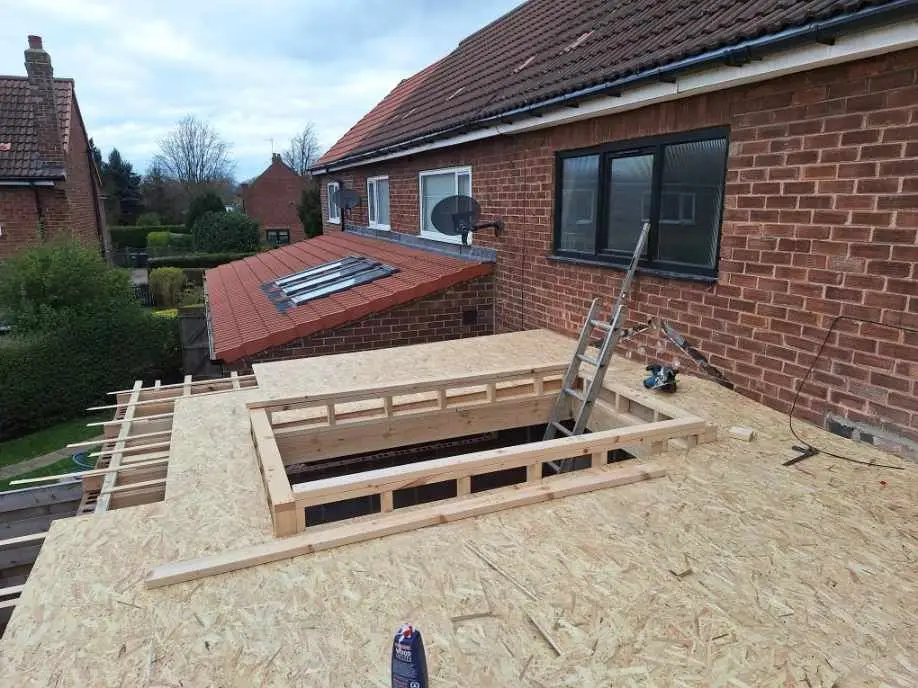
The whole difference is where the insulation sits. A warm roof puts insulation above the deck so the structure stays warm and dry, while a cold roof puts it between the joists with a vented gap above. Warm roofs carry far less condensation risk, which is why most new flat roofs are built that way.
01The one thing that separates them
Warm roof, cold roof: the names sound like a quality grade, but they describe nothing of the sort. They tell you where the insulation sits, and that single decision changes how the roof behaves for the rest of its life. A warm roof lays the insulation on top of the deck, under the waterproof covering, so the deck and the timber below it stay on the warm side of the insulation. A cold roof tucks the insulation down between the joists, leaving the deck above it cold, with a ventilation gap in between. Everything else about a flat roof, the covering, the falls, the trims, follows the same rules either way. This one choice is the fork in the road.
02Warm roof vs cold roof at a glance
Here is how the two build-ups compare on the things that actually matter when you are planning a flat roof, an extension, or a conservatory roof conversion, which is a warm roof built over the old conservatory frame. No prices in this table on purpose: cost is covered further down, and it turns on your specific roof.
| What matters | Warm roof | Cold roof |
|---|---|---|
| Insulation position | Above the deck, under the covering | Between the joists, below the deck |
| Condensation risk | Low, timber stays warm and dry | Higher, needs ventilation done right |
| Build-up height | Taller, the insulation adds depth on top | Slimmer, insulation hides in the joist depth |
| Regs fit | Straightforward way to hit the target | Possible, but the detailing is fussier |
| Best for | New extensions and full replacements | Tight headroom where height is fixed |
A comparison of build-ups, not a price list. For what either option costs on your roof, book the free survey or get a band now with the instant estimate tool.
03Condensation, the reason cold roofs fail
The main reason a cold roof gives trouble is not the design, it is the way it is built. Warm, damp air from the rooms below rises and wants to reach the cold deck above the insulation. When it does, it condenses on the underside, and the joists sit wet. A cold roof only works if two things are handled well: a proper ventilation gap of at least 50mm above the insulation, kept clear from eave to eave, and a vapour barrier below the insulation to slow the moist air down before it climbs. Miss either, or block the vents with insulation stuffed too high, and the timber quietly rots from the inside while the covering looks perfect. A warm roof avoids the whole problem by keeping the deck warm, so there is no cold surface for moisture to settle on. It is the same physics behind condensation in a loft, just hidden inside a flat roof where nobody can see it.
The minimum clear ventilation gap a cold flat roof needs above the insulation, kept open across the whole span. Close it up and the deck sweats. A warm roof needs no such gap. Ventilation guidance for flat roofs, general
04What building regulations expect
Building regulations do not tell you to build warm or cold. They set an insulation target, a maximum heat loss for the roof, and leave the method to you. In practice that target has tightened over the years, and a warm roof is the easiest way to reach it: you simply add the depth of insulation the numbers call for on top of the deck, without being boxed in by the joist depth. On a cold roof the insulation has to fit inside the joists and still leave the ventilation gap clear, which often means deeper joists or a struggle to hit the figure at all. That is why nearly every new flat roof and extension we build is a warm roof, and why the trend across the industry has moved the same way.
05A warm flat roof on a new extension or an existing roof
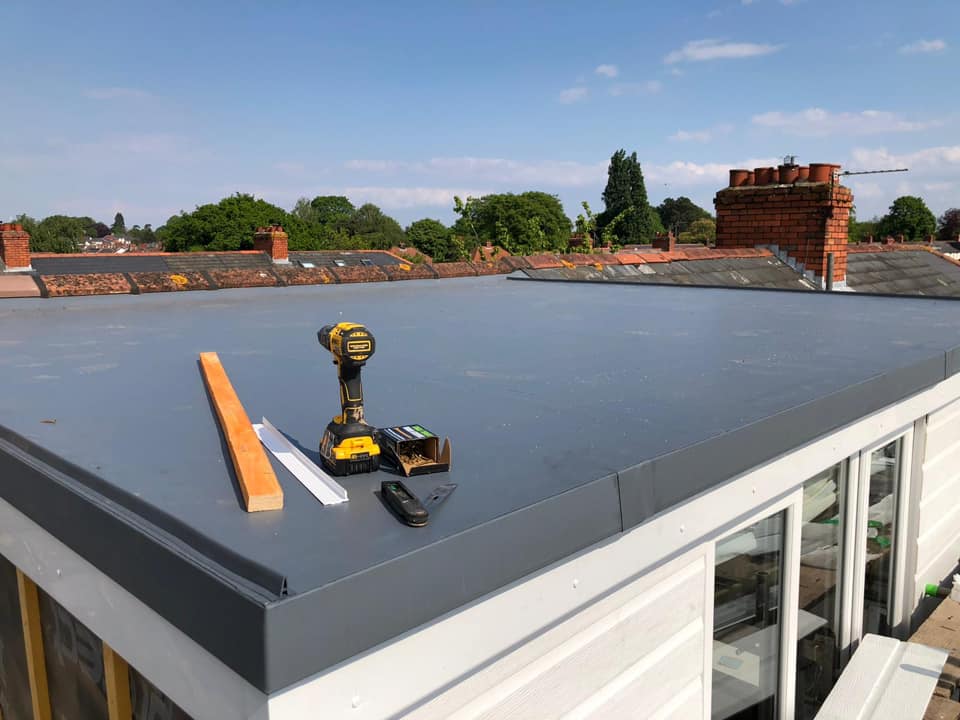
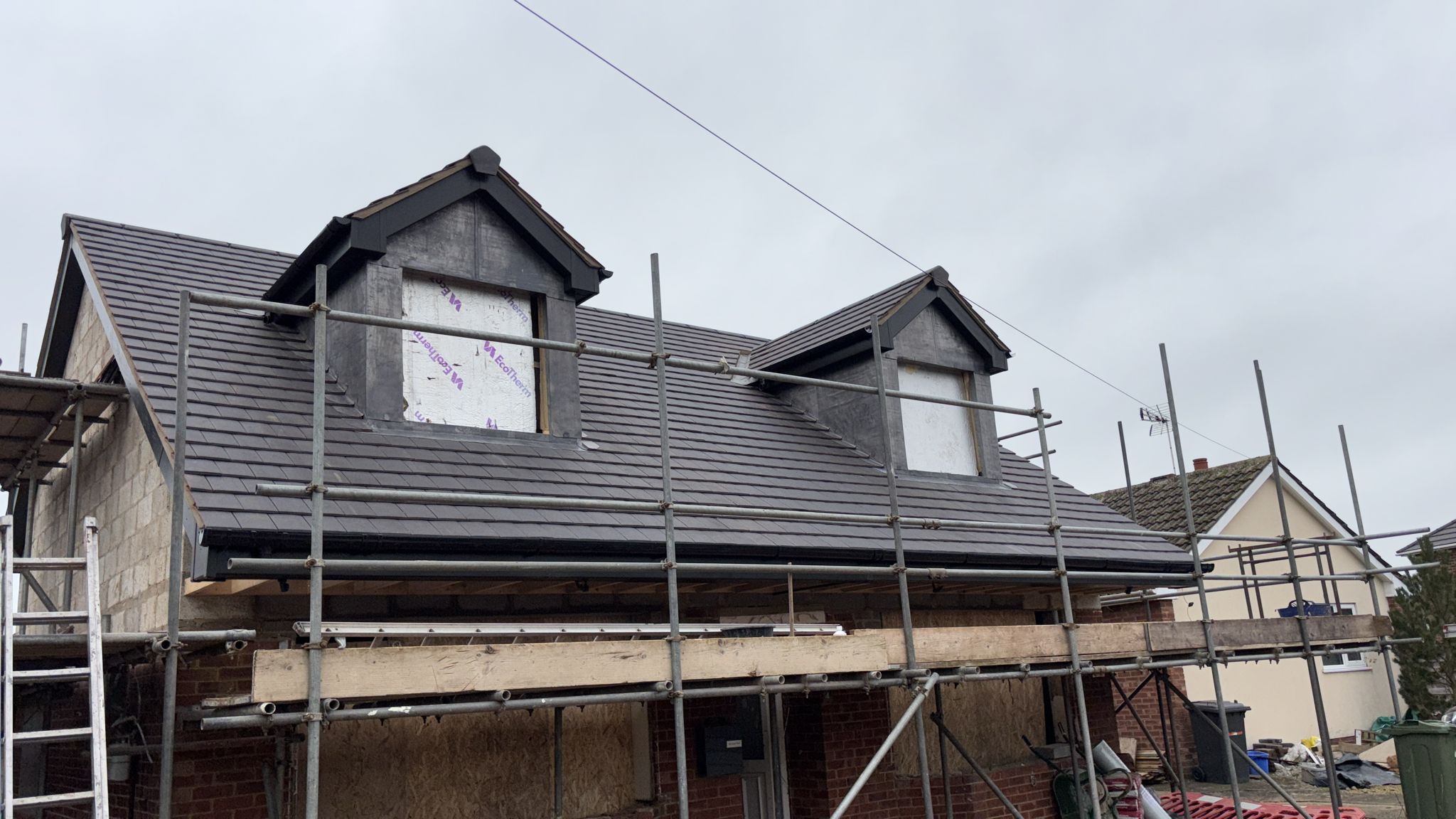
Which build-up suits you comes down mostly to whether you are starting fresh or working around what is already there. On a new extension you control the roof height from the start, so a warm roof is the obvious call: no ventilation to detail, no condensation worry, and the regs met the simple way. On an existing roof the answer depends on headroom and the state of the deck. If there is room to raise the build-up, a warm roof is still the better long-term choice. If the height is fixed, say the roof meets a window head or a doorway above, a cold roof done properly may be the only way to keep the ceiling where it is. Five things decide it:
06What it costs, and the honest view
A warm roof usually costs a little more to build than a cold one. It uses more insulation and adds height, which means new trims and sometimes a raised upstand, so it sits a tier up on materials. It is a step, not a leap, and it tends to pay that back by avoiding condensation callbacks and losing less heat. Keeping the deck dry is also a large part of how long a flat roof lasts. We will not put a pound figure on it here, because the number turns on your deck, your falls, the covering and the access. For that, the free survey gives you a price fixed in writing within 24 hours, or the instant estimate tool gives you a band in two minutes.
For a new extension or a full replacement, build warm. The small extra outlay buys a roof that stays dry without relying on vents someone has to keep clear. A cold roof earns its place only when headroom leaves you no room for the warm build-up.
07Questions we hear every week
What is a warm roof, and how is it different from a cold roof?
Is a warm roof better than a cold roof?
Does a warm roof cost more than a cold roof?
Do building regulations require a warm roof?
Get a fixed figure for your roof
Two minutes with the estimate tool gives you a realistic band now. The free survey turns it into a written price, fixed for as long as you need to decide.