
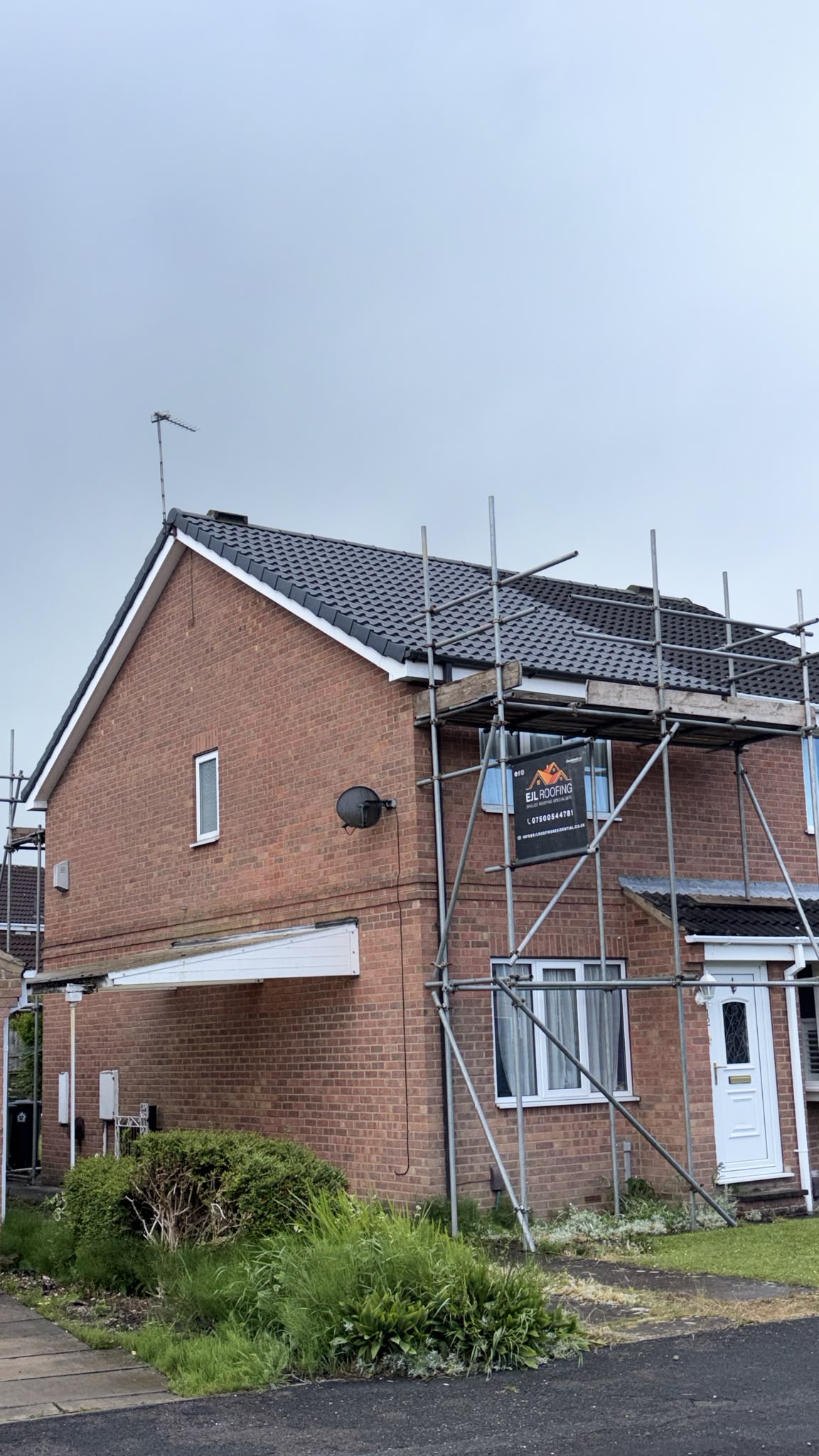
Moss on your roof: how to clean it safely
Moss grows where a roof stays shaded and damp, and heavy growth holds water, blocks gutters and lifts tiles in frost. The safe fix is a careful hand scrape and a biocide that works over weeks, never a pressure washer. Here is how it should be done, and what it costs.
01Why moss grows on a roof
Moss is not a sign your roof is failing, it is a sign of where your roof sits. Spores are in the air everywhere, and they take hold wherever a surface stays cool, shaded and damp for long enough. North-facing slopes get the most because they see the least sun and dry out slowest. Anything that keeps a roof wet feeds it: overhanging trees, a valley that stays in shadow, low pitches that hold water, and the rough face of an older concrete tile that gives the spores something to grip. York's older streets, with their close-set houses and mature trees, are prime ground for it. A newer, steeper, south-facing roof can stay almost clear for years while its neighbour turns green.
02The real damage moss does
A light green film is mostly cosmetic. The problem is heavy, spongy growth, and it does three things. First, it acts like a sponge, holding rainwater against the tiles instead of letting it run off, so the covering stays wet far longer than it should. Second, it breaks off and washes down the slope, packing into gutters, blocking downpipes and clogging the verges until water spills where it should not. Third, and worst, water trapped in thick moss freezes in winter, and freezing water expands with enough force to lift and crack tiles and open up the laps. Once a tile lifts, the wind gets under it and the weather gets past it. That is the point at which a cosmetic issue becomes a leak.
a year is the usual advice for checking gutters and clearing debris, and a shaded, tree-lined roof in York often needs it. Moss shed from the slope is one of the main things that blocks them. General roof maintenance guidance
03How moss should be removed
Done properly, roof cleaning is patient work, not a quick blast. The roof is accessed safely from a scaffold or tower, and the moss is scraped back by hand and lifted off with a soft brush, working down the slope so nothing is forced up under the tiles. The debris is cleared from the gutters and verges at the same time. Then the roof is treated with a biocide, a chemical wash that kills the remaining spores and the roots you cannot reach. The important part is that a biocide works slowly: it does not leave the roof gleaming that afternoon, it does its job over the following weeks as the treated growth dies back and weathers away. A roofer who promises an instant transformation is usually reaching for a pressure washer, which is exactly what you do not want.
| Method | What it does to the roof | Result |
|---|---|---|
| Hand scrape + soft brush | Lifts moss without touching the tile surface or the laps | Safe, lasting |
| Biocide treatment | Kills spores and roots, works over weeks, no water forced in | Safe, slows regrowth |
| Pressure washing | Strips the weathering surface, drives water under the tiles | Damaging, avoid |
The right clean is manual removal plus biocide. Pressure washing looks impressive for a season, then the roof weathers faster and the moss comes back thicker. It is a false economy.
04Never pressure-wash a tiled or slate roof
This is the single most important line in this guide. High-pressure water strips the fine weathering surface off a concrete tile, the layer that keeps it watertight, and erodes the face of natural slate. Worse, tiles and slates are lapped to shed water downwards, and a jet aimed anywhere but straight down forces water up under those laps, soaking the battens and the felt underneath. The roof looks brand new for the rest of the summer, then the exposed tiles absorb water, break down faster, and grow moss back thicker than before because their surface is now rougher. A pressure wash can knock years off a roof that had years left in it.
If someone quotes to pressure-wash your tiled or slate roof, walk away. The saving on the day is paid back with interest in premature tile failure, and often a leak, within a couple of winters.

05What drives the cost of a clean
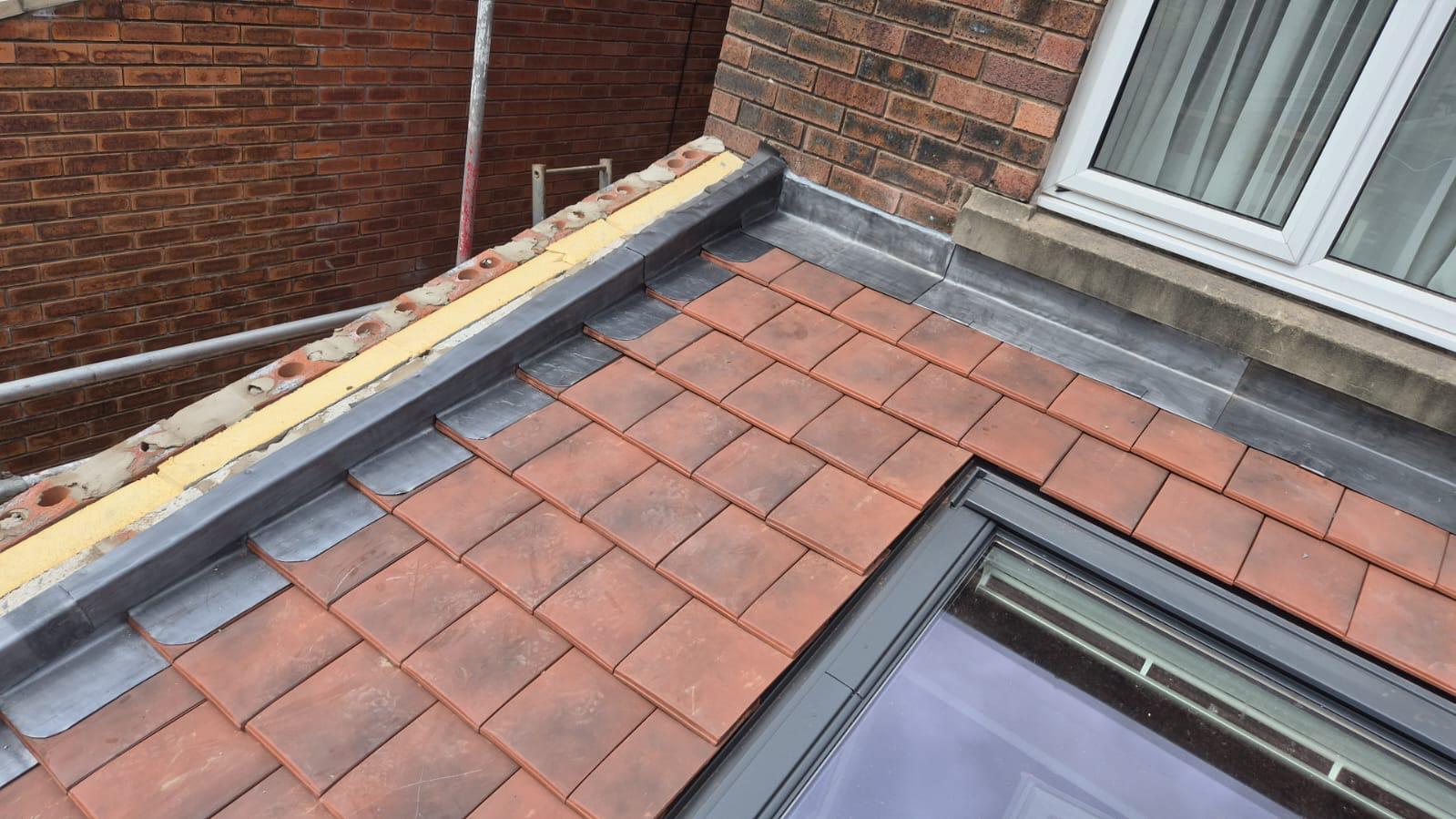
There is no single figure for roof cleaning because no two roofs are the same job. What sets your price comes down to a handful of things, and the fastest way to a real number is a free survey or the estimate tool.
Because those factors vary so much from house to house, we do not publish a flat price for cleaning. Your price is fixed in writing within 24 hours of the free survey, or get a band now with the instant estimate tool.
06Slowing regrowth, and when it is a symptom
Cleaning buys time, it does not last forever, because the conditions that grew the moss are still there. A biocide keeps the roof clear for longer, and cutting back overhanging branches to let more light and air onto the slope is the single best thing most people can do. Keeping the gutters clear stops water backing up onto the lowest tiles. But be honest about what cleaning can and cannot fix. If moss keeps returning fast and the tiles beneath it are porous, flaking or slipping, the growth is a symptom of a covering that is near the end of its life. At that point repeated cleans are good money after bad, and it is worth talking about a repair or a reroof instead. We tell you which of the two you are looking at, at the survey.
07Questions we hear every week
Should I remove moss from my roof?
How do I get rid of moss on my roof?
Can you pressure wash a tiled or slate roof?
How much does roof moss removal cost in York?
Get a fixed figure for your roof
Two minutes with the estimate tool gives you a realistic band now. The free survey turns it into a written price, fixed for as long as you need to decide.