
Leaking conservatory roof? Causes, fixes and when to replace it
Most conservatory leaks come from one of four places, and three of them are repairs rather than a new roof. Here is how to find where the water is getting in, what a fix costs in York, and the point at which patching a tired polycarbonate roof stops being worth it.
01Where the water is getting in
A conservatory roof is a set of panels held in a frame, sealed along every edge and sealed again where it meets the house. Every one of those seals is a place water can get past. When we are called to a leaking conservatory in York, the water is coming from one of these four places.
The glazing bars. The bars that hold the panels have a cap on top and a rubber gasket underneath. Sun shrinks the gasket, wind lifts the cap, and the fixing screws work loose over the years. Water then runs down the bar on the inside and drips from the point where it meets the eaves beam.
The panels themselves. Polycarbonate sheets are open-ended cells sealed with breather tape and an end cap. When the tape fails, the cells fill with water and green algae, and the panel weeps at the bottom edge. A cracked or slipped panel does the same thing faster. Glass units fail differently: a broken seal lets moisture into the unit and it mists between the panes. Nothing comes into the room, but the unit is finished.
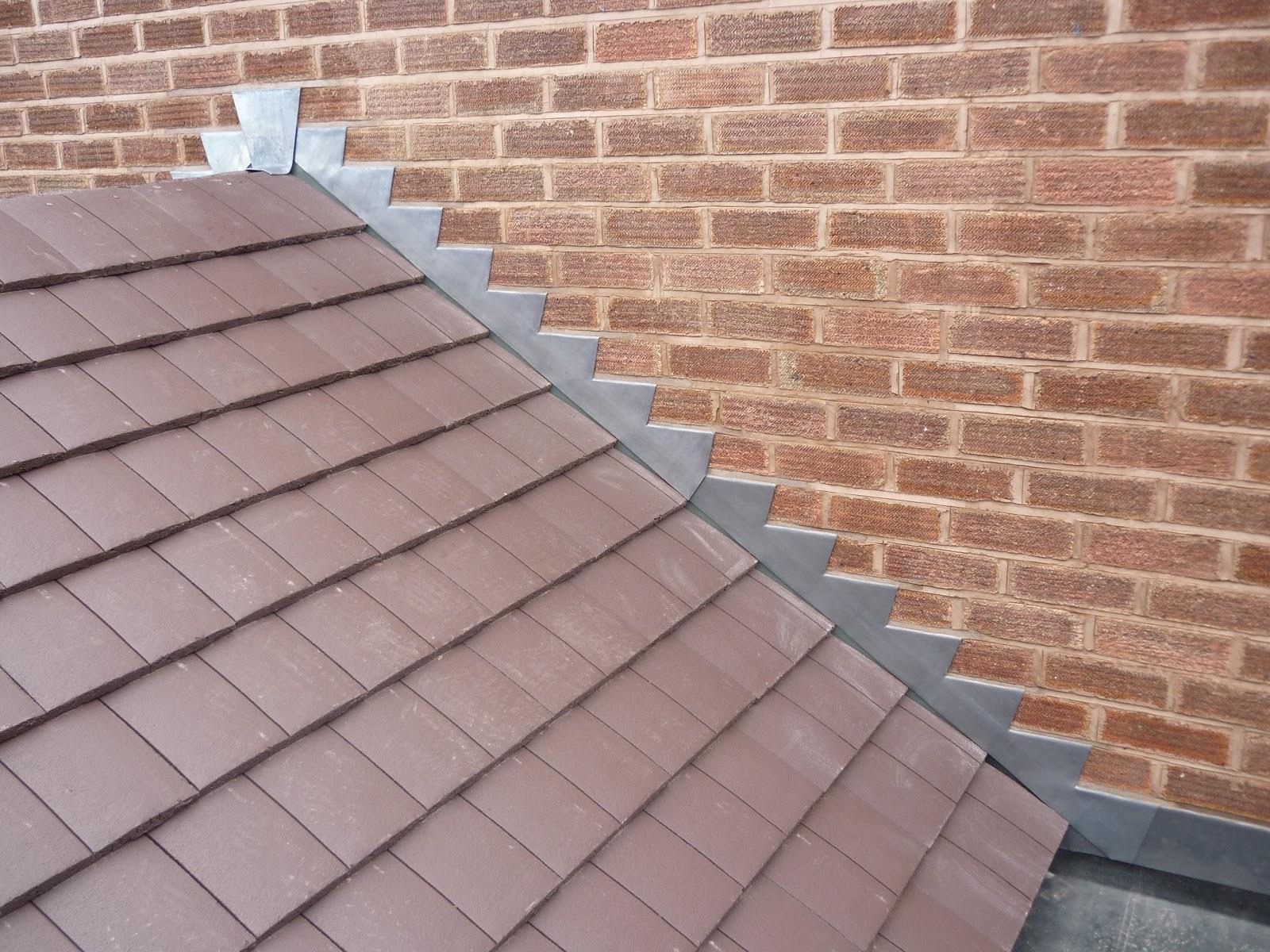
The flashing against the house. Where the conservatory roof meets the wall of the house there should be a lead flashing, stepped into the brick joints and dressed down over the roof. A lot of conservatories were finished instead with a strip of self-adhesive flashing tape or a bead of mastic. Both let go within a few years. Water then runs down the face of the house wall, behind the roof, and appears on the inside wall or at the top corners of the room.
The gutter and the box gutter. A conservatory gutter is small and it silts up with leaves and moss quickly. Once it is full, water backs up over the lip and under the eaves beam. Where a conservatory sits under a house roof, there is often a box gutter running along the join, and that is the most neglected gutter on any property because nobody can see it from the ground.
02Leak or condensation
Before anyone goes up a ladder, work out whether it is a leak at all. A good share of the "leaks" we look at in October and November are condensation, and the fix is different.
A leak follows rain. It appears in the same place each time, usually under a glazing bar, at a panel joint or along the house wall, and it does not appear on a dry day. Condensation appears on cold mornings with no rain, spread across the underside of the roof or running down the inside of the glass, and it clears as the room warms up.
Condensation is not a hole, so sealing anything will not stop it. It is a sign the roof has no insulation, and it is one of the main reasons people end up replacing a polycarbonate roof that does not leak at all. If the drips are in the loft rather than the conservatory, our loft condensation guide covers the same distinction for the main roof.
03What a repair involves, and what it costs
Three of the four leak points are repairs. On a roof that is otherwise sound, we fix the thing that is leaking rather than sell you a new roof.
We re-seat glazing bar caps with new gaskets, or replace them where the plastic has gone brittle. We strip failed breather tape and end caps off polycarbonate panels and fit new ones, and swap a cracked panel for a new sheet of the same profile. A tape or mastic "flashing" against the house comes off, and we replace it with a stepped lead flashing chased into the mortar joints and dressed over the roof, the same job as the leadwork on a chimney stack. We clear gutters and box gutters, re-seal the joints and check the fall.
| Job | Indicative cost |
|---|---|
| Small repair: cap, gasket, end cap, gutter joint | from £150 |
| Temporary make-safe if it is pouring in | £180 to £350 |
| Same-day or next-day reactive repair | £250 to £750 |
| Clean and re-seal of a sound roof | a few hundred pounds |
| Tiled warm roof replacement | £4,500 to £9,500 |
Indicative figures from our repairs, emergency and conservatory pages, plus VAT. A make-safe is included in the final price if we do the permanent fix. Your price is fixed in writing within 24 hours of the free survey.
The flashing repair is the one that lasts. Tape and mastic rely on sticking to brick and plastic through a year of temperature swings. Lead stepped into the joints needs no adhesive at all, which is why house roofs use it. Our leadwork carries the same 20-year workmanship guarantee as everything else.
04When repair stops making sense
A repair is the right answer on a roof with years left in it, and the wrong one on a roof that has reached the end, because you pay twice. These are the signs.
Years a polycarbonate conservatory roof lasts. Past ten, the sheets go brittle and cloudy, and the first repaired bar is followed by the next within a season. EJL conservatory cost guide, York, 2026
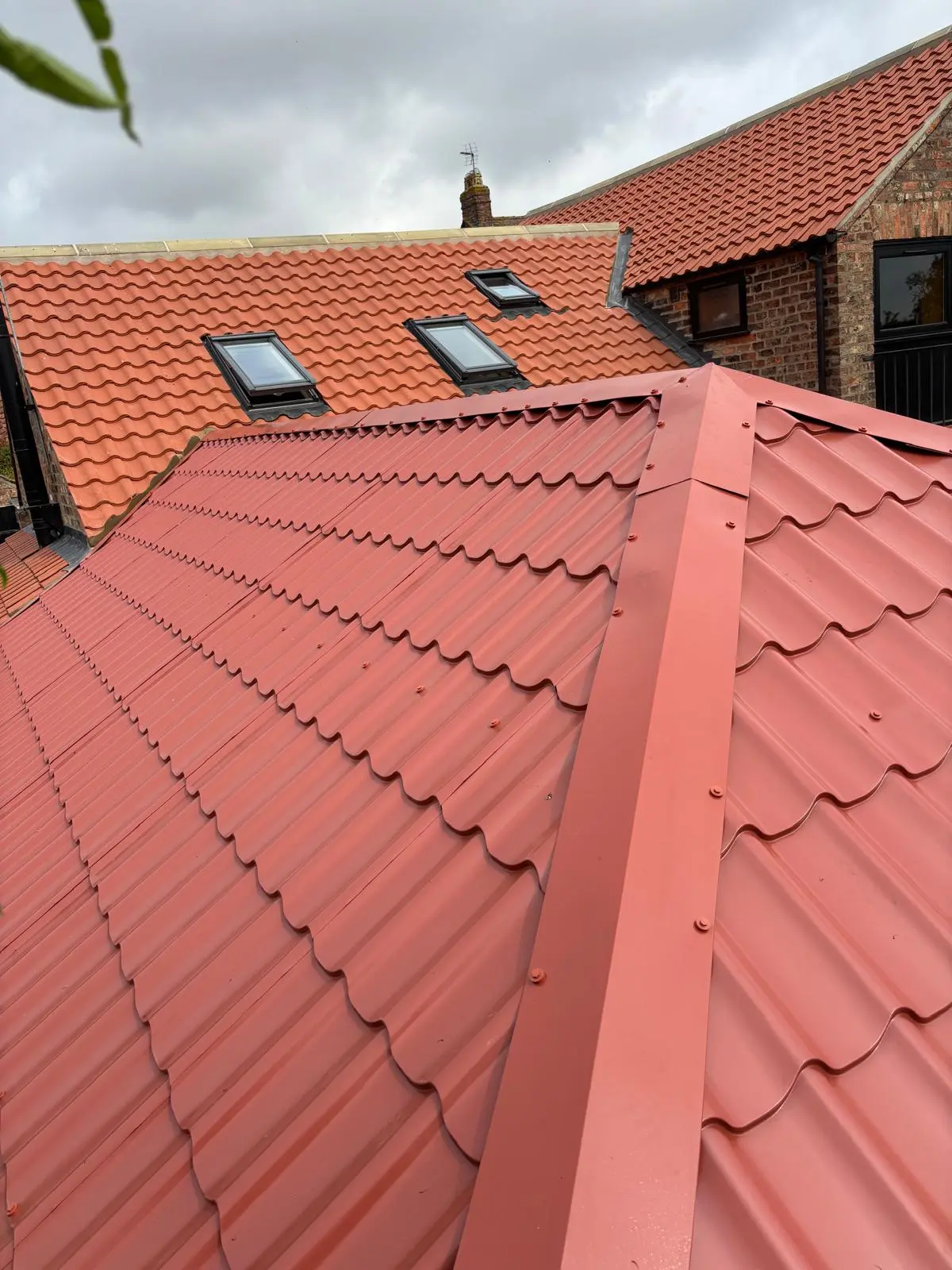
When it is time, the roof that solves the leak, the cold and the condensation in one job is a tiled warm roof. The old roof comes off and an insulated roof with tiles over and plasterboard under goes on the same frame. The lightweight systems we fit weigh about the same as the polycarbonate they replace, so most frames take them without reinforcement, and the job takes three to five days on site for most conservatories, with the roof weather-tight at the end of every day.
A conversion in York runs £4,500 to £9,500 depending on the size and shape of the conservatory, with building control sign-off, insulation and plasterboard in the price. The full breakdown by type is in our conservatory roof cost guide, and the conversions page covers the tile systems, lanterns and roof windows.
If the roof is under ten years old and leaking in one place, fix it. If it is older than that and leaking in two, stop paying for sealant and put the money towards a roof that will not need it.
05Building regulations and planning
A repair, a new panel or new glazing needs no permission from anyone. Replacing a translucent roof with a solid one is different. The roof becomes a thermal element of the house, so building control has to inspect and sign it off. We arrange that on every conversion and it is in the quoted price. You get the completion certificate at the end, which matters when you sell.
Planning permission is a separate question, and for most replacements the answer is no, because they fall under permitted development. The exceptions are conservation areas, of which York has 35, and listed buildings, where the rules are different and the conversation starts with the council. The Planning Portal conservatory guidance is the place to check your own address.
06Questions we hear every week
Why is my conservatory roof leaking?
Can a leaking conservatory roof be repaired?
How much does it cost to fix a leaking conservatory roof?
Is it a leak or condensation?
Do I need building regulations approval to replace a conservatory roof?
Get a fixed figure for your roof
Two minutes with the estimate tool gives you a realistic band now. The free survey turns it into a written price, fixed for as long as you need to decide.